your child’s car seat has an expiration date? a car seat is safe to use as long as it looks fine, but the truth is more complicated.
your child’s car seat has an expiration date? a car seat is safe to use as long as it looks fine, but the truth is more complicated.
Using an expired car seat can put your little one at risk without you even realizing it. You’ll discover why car seats do expire, what factors affect their lifespan, and how to know when it’s time to replace yours.
Car Seat Expiration Basics
Car seats keep children safe during travel. But do car seats really expire? Understanding car how long convertible seats last is important for every parent and caregiver. This guide explains the basics of car seat expiration and why it matters.
Car seats do have an expiration date. This date shows how long the seat will provide proper protection. Over time, materials in the seat can wear out or become less safe. Using an expired car seat can put a child at risk during an accident.
What Does Car Seat Expiration Mean?
Car seat expiration means the seat is no longer safe to use. The plastic and fabric parts age and weaken. Safety standards also change, so older seats may not meet new rules. Expiration dates help ensure children use seats that protect them well.
How To Find The Expiration Date
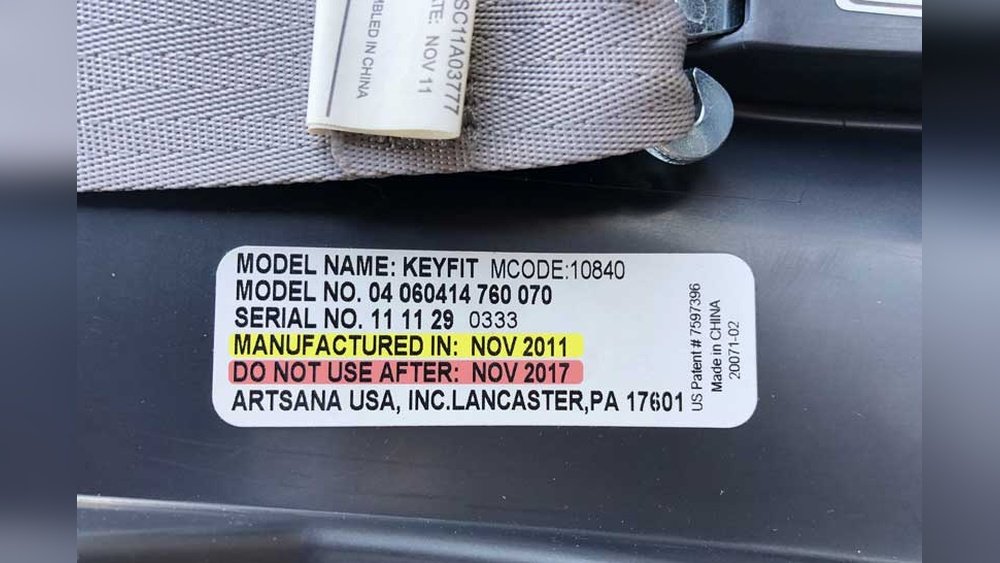
Manufacturers put expiration dates on car seats. Look for a sticker or label on the seat. It usually shows the date or the number of years the seat lasts. If you cannot find it, check the car seat manual or the manufacturer’s website.
Why Do Car Seats Expire?
Materials can break down due to heat, sunlight, and wear. Plastic can crack or weaken over time. Safety features may fail after years of use. Technology and safety rules improve, making older seats outdated. Expiration dates protect children by ensuring seats work as designed.
Manufacturers’ Expiry Dates
Manufacturers set expiry dates for car seats for safety reasons. These dates tell parents how long a car seat stays safe to use. Over time, the materials in car seats can wear out. This wear can make the seat less effective during a crash.
Car seats face many stresses. Sunlight, temperature changes, and daily use all affect the seat’s parts. Plastic can weaken and metal parts can corrode. Expiry dates help avoid the risks from these hidden damages.
How Manufacturers Decide Expiry Dates
Manufacturers test car seats under tough conditions. They check how long the seat holds up in crashes. They also study how parts age over time. These tests help set a safe time limit for use.
Where To Find The Expiry Date
The expiry date usually appears on a sticker or label. Look on the back or bottom of the seat. It might also be molded into the plastic. Knowing this date helps parents plan for a replacement.
What Happens After Expiry
After the expiry date, the seat may not protect well. Crash forces might break weakened parts. Safety standards change, and older seats may lack new features. Using an expired seat puts a child at higher risk.
Why Manufacturers Enforce Expiry Dates
Manufacturers want to keep children safe. Expiry dates prevent use of old, unsafe seats. They also encourage parents to update seats with newer safety technology. It is a simple step to protect young passengers.
Materials And Wear Over Time
Car seats do not last forever. Their materials change and break down with time. This affects safety and performance. Understanding how materials age helps explain why seats expire.
Different parts of a car seat wear out at different rates. Fabrics, plastic shells, foam padding, and metal components all face stress. Sunlight, heat, and everyday use make materials weaker.
Plastic Shells And Structural Integrity
The plastic shell forms the car seat’s frame. It must stay strong to protect a child in crashes. Over years, plastic can become brittle and crack. Heat from the sun speeds up this process. Cracks or breaks weaken the seat’s safety.
Foam Padding And Impact Absorption
Foam cushions the child and absorbs crash forces. With time, foam loses its ability to rebound. It becomes compressed and less soft. Old foam does not protect as well in accidents. This reduces the seat’s effectiveness.
Fabric Covers And Wear
Fabric covers protect the foam and provide comfort. They wear thin and may tear after years of use. Stains and dirt buildup can affect material quality. Worn fabric offers less protection and can expose foam.
Metal Parts And Rust
Metal components hold the seat together. They include buckles, hinges, and connectors. Exposure to moisture causes rust and corrosion. Rust weakens metal and can cause failure. This makes the seat unsafe to use.
Impact Of Crashes On Safety
Car seats are designed to protect children during crashes. But crashes can cause hidden damage to the seat. This damage may weaken the seat’s safety features. Even if the seat looks fine, it might not work well in another crash.
Understanding crash impact helps explain why some seats should be replaced after an accident. Safety can be compromised in ways that are not easy to see. This section explores how crashes affect car seat safety.
Structural Damage From Impact
Car seats absorb crash forces to protect children. This force can crack or bend plastic parts. Straps and buckles may also weaken. These damages reduce the seat’s ability to protect in future crashes.
Internal Damage And Safety Risks
Some damage happens inside the seat. Foam padding can compress or break. This reduces shock absorption. Internal damage is often invisible, but it lowers safety during impact.
Manufacturer Guidelines After A Crash
Most car seat makers say to replace a seat replacing a car seat after an accident. Even small impacts can cause unseen damage. Following these rules ensures the seat remains safe for your child.
Signs To Check After A Crash
Look for cracks, broken parts, or frayed straps. Check if the seat still fits tightly in the car. If unsure, contact the manufacturer for advice. Safety is the top priority.
Environmental Factors Affecting Durability
Car seats face many environmental challenges that affect their durability. These factors can weaken materials and reduce safety over time. Understanding these elements helps explain why car seats have expiration dates.
Exposure to heat, sunlight, and moisture can degrade the seat’s components. Plastic parts may become brittle. Fabrics can fade and weaken. Even the internal structure can suffer damage.
Heat And Sunlight Exposure
High temperatures inside cars cause plastic to crack. UV rays break down fabric fibers. Continuous sun exposure speeds up wear and tear. This weakens the seat’s ability to protect a child.
Humidity And Moisture
Humidity can cause mold and mildew growth. Moisture damages padding and fabric layers. Wet conditions also lead to rust in metal parts. These effects reduce the seat’s strength and comfort.
Temperature Fluctuations
Changes in temperature make materials expand and contract. This stress leads to cracks and weakened joints. Over time, the car seat loses its shape and safety features.
Storage Conditions
Car seats stored in garages or sheds face dust and pests. Poor storage can expose seats to extreme weather. These conditions increase the risk of material breakdown.
Risks Of Using Expired Car Seats
Car seats protect children during travel. Using an expired car seat can reduce this protection. Over time, materials weaken and safety features may fail. This increases the chance of injury in a crash.
Expired car seats may not meet current safety standards. New laws and tests improve child safety. Old seats might lack these updates. This puts children at risk on the road.
Degradation Of Materials
Plastic and foam parts wear out after years. Cracks or brittleness can develop unseen. This weakens the seat’s structure. In a crash, it might break or fail to absorb impact.
Outdated Safety Features
Safety rules change as new research emerges. Older car seats might miss key safety improvements. Features like better straps or side impact protection may be absent. This lowers the seat’s ability to protect your child.
Recall And Warranty Issues
Expired seats often lose warranty coverage. Manufacturers stop fixing or replacing them. Also, recalled seats should never be used. Expired seats might be harder to track for recalls.
Improper Fit And Comfort
Car seats must fit children and vehicles well. Over time, padding can compress or deform. Harness straps may stretch or weaken. This reduces comfort and safety during trips.
How To Find Expiry Dates
Finding the expiry date on a car seat is important for child safety. Car seats can weaken over time. Materials like plastic and foam break down. This reduces protection in a crash. Knowing the expiry date helps you avoid using an old seat.
Car seat expiry dates are not always easy to spot. They are placed in different areas depending on the brand. Some seats have labels, others have stamps. Learning where to look saves time and ensures safety.
Check The Car Seat Label
Most car seats have a label with the expiry date. Look for a white or silver sticker. It may say “Expiration Date” or “Expires On.” The date is often in a month/year format.
Look Under The Car Seat
The bottom of the car seat often shows the expiry date. Check the plastic shell or the base. The date may be molded into the plastic or printed on a sticker.
Consult The Car Seat Manual
The user manual contains expiry information. It explains where to find the date on the seat. Manuals also list how long the seat lasts from the manufacture date.
Search Online Using Model Number
Find the model number on the seat’s label. Use it to search the manufacturer’s website. Some brands list expiry dates and manufacture dates online.
Contact The Manufacturer
If unsure, call the car seat maker. Provide the model and manufacture date. They can confirm the expiry date and safety details.
Signs Your Car Seat Needs Replacing
Knowing the signs that a car seat needs replacing is vital for child safety. Car seats wear out over time. Some problems are easy to spot. Others may be hidden but just as dangerous.
Checking your car seat regularly helps catch these signs early. It ensures your child always travels safely. Here are the key signs to watch for.
Cracks Or Damage In The Plastic Shell
Look closely at the car seat’s plastic shell. Cracks or deep scratches weaken it. This damage can reduce the seat’s strength in a crash. Any visible damage means the seat should be replaced.
Missing Or Broken Parts
Check if all parts are present and working. Straps, buckles, and adjusters must be intact. Missing or broken parts can stop the seat from protecting properly. Replace the seat if you find any missing or damaged pieces.
Expired Car Seat Label
Every car seat has an expiration date on a label. The materials inside break down after years. Using an expired seat puts your child at risk. If the date has passed, it’s time for a new seat.
Seat Involved In A Crash
A car seat that has been in a crash may not be safe anymore. Even if no damage is visible, the seat’s structure can be compromised. Replace the seat after any accident, no matter how small.
Stains Or Strong Odors
Stains or strong smells might mean the seat was exposed to harmful substances. These can weaken the materials or cause allergies. If cleaning does not remove odors or stains, consider replacing the seat.
Legal Requirements And Recommendations
Car seat expiration is not just a safety concern. It also involves legal rules and expert advice. These rules help keep children safe during travel. Understanding them helps you follow the law and protect your child.
Legal Requirements For Car Seat Expiration
Many places have laws about car seat use. These laws often include expiration dates. They say how long a car seat can be used. After this time, the seat may not meet safety rules. Using an expired seat can lead to fines.
Recommendations From Safety Experts
Safety experts suggest replacing car seats after a set time. This time is usually six to ten years from the manufacture date. Materials in car seats can break down over time. This reduces protection in accidents.
Why Laws And Recommendations Matter
Following these rules and tips keeps children safe. Car seats lose strength and parts wear out. Old seats may not protect children well in crashes. Checking expiration helps avoid risks and stay legal.
Safe Disposal Of Old Car Seats
Old car seats must be disposed of safely to protect children and the environment. Using an expired or damaged car seat can be dangerous. Proper disposal stops old seats from being reused unsafely or ending up in landfills where they cause harm.
Safe disposal means following local rules and recycling options. It also means making sure no one else uses an unsafe seat. Many parts of car seats contain plastics and metals that recycling centers can reuse. This helps reduce waste and pollution.
Check Local Recycling Programs
Many cities have programs for recycling car seats. Search your local waste management website for details. Some centers accept car seats during special collection days. Always remove fabric and padding before recycling if required.
Remove Hazardous Parts
Car seats have metal parts and chemicals inside. These parts can harm the environment. Remove buckles, straps, and metal pieces before disposal. Follow instructions from your local recycling center on how to do this.
Prevent Unsafe Reuse
Cut straps and remove labels to stop reuse. This ensures no one uses an expired car seat by mistake. Write “Do Not Use” on the seat for extra safety. This simple step protects children from unsafe seats.
Choosing A Car Seat For Longevity
Choosing a car seat that lasts long saves money and keeps your child safe. Car seats have expiration dates for safety reasons. Materials wear down, and technology changes over time.
Picking a durable car seat helps you avoid frequent replacements. Some seats are built to grow with your child. These options provide value and safety for years.
Check The Expiration Date
Every car seat has a clear expiration date. This date is usually on a label or molded into the plastic. Avoid using a seat past this date. Old seats may not protect well in a crash.
Choose Seats With Strong Materials
Look for car seats made from sturdy plastic and quality fabric. Strong materials resist damage and last longer. Avoid seats with thin or brittle plastic parts.
Consider Convertible Car Seats
all convertible car seat guidess adjust to fit infants and toddlers. They can switch from rear-facing to forward-facing. This flexibility extends the seat’s useful life.
Easy To Clean And Maintain
Seats that are easy to clean look better longer. Removable covers and washable fabrics help. Keeping the seat clean prevents wear and tear.
Look For Safety Certifications
Choose car seats that meet safety standards. Certifications mean the seat passed crash tests. Certified seats are tested for durability and protection.
Maintaining Car Seat Safety Over Time
Car seats keep children safe during travel. Over time, their safety can change. Parts may wear out or break. Dirt and damage can affect how well they work. Regular checks help ensure the car seat stays safe. Proper care and maintenance matter a lot.
Knowing how to maintain a car seat can protect your child. It also extends the life of the seat. Small actions can make a big difference. Understanding the seat’s condition helps prevent accidents.
Inspecting For Wear And Tear
Check the seat often for cracks or breaks. Look at the straps and buckles carefully. Make sure nothing is loose or frayed. Even small damage can reduce safety. Replace parts as soon as you see problems. A damaged seat can fail in a crash.
Cleaning The Car Seat Safely
Dirt and spills can harm the seat’s materials. Use mild soap and water to clean it. Avoid harsh chemicals that can weaken the fabric. Let the seat dry completely before use. Keep the seat clean to keep it strong.
Following Manufacturer Guidelines
Read the manual that comes with the seat. Follow all instructions on installation and use. The manual shows how to check for expiration dates. It also explains which parts you can replace. Use the right parts to keep safety intact.
Storing The Car Seat Properly
Keep the seat in a dry, cool place when not in use. Avoid leaving it in direct sunlight for long periods. Heat and cold can damage the plastic and fabric. Proper storage helps the seat last longer. It also keeps the safety features working well.
Common Questions Parents Ask
How Long Do Car Seats Usually Last Before Expiring?
Car seats typically expire after 6 to 10 years from their manufacture date. This limit ensures safety as materials can weaken over time. Always check the label on your car seat for the exact expiration date.
Car seat performance standards (FMVSS 213) are revised regularly. An expired seat may not meet the standards in effect today, even if it looks structurally fine. Do not accept a hand-me-down that has passed its expiration date.
Source: NHTSA Car Seat Information
Why Do Car Seats Have Expiration Dates?
Car seats expire because their materials can wear out or break down. Safety standards also change, making older seats less reliable. Expiration helps keep your child safe during travel.
Can Expired Car Seats Still Protect Children In Accidents?
Expired car seats may not protect well in crashes due to weakened parts. Using an expired seat increases injury risk. It’s safer to use a seat within its valid period.
What Happens If A Car Seat Is Used After Expiration?
Using a car seat after expiration risks failure in a crash. The seat might have damaged or brittle parts. This can lead to serious injuries for the child.
How Can I Find My Car Seat’s Expiration Date?
Look for a label or sticker on the car seat’s bottom or side. It shows the manufacture date and expiration date. If missing, check the user manual or manufacturer’s website.
Does A Car Seat Expire After A Car Accident?
Yes, car seats should be replaced after any moderate or severe crash. Even if no damage is visible, the seat may be weakened. Safety is the priority.
Can Cleaning Or Washing A Car Seat Affect Its Expiration?
Cleaning does not change the expiration date but harsh chemicals can damage the seat. Use only manufacturer-approved cleaning methods. Proper care helps maintain the seat’s safety.
Are Secondhand Car Seats Safe To Use?
buying a used car seats can be risky if their history is unknown. They might be expired, damaged, or recalled. Always verify the seat’s condition and expiration before using.
Key Takeaways for Parents
Car seats do expire for safety reasons. Over time, materials weaken and can fail in crashes. Using an expired seat puts children at risk. Always check the expiration date on the label. Replace seats after a crash or if damaged.
Staying informed helps protect your child’s safety. Choosing a good, current car seat is smart. Safety matters most when traveling with kids. Don’t take chances with old or unsafe seats. Keep your child safe on every trip.

Graco Extend2Fit Convertible Car Seat
- Rear-facing harness from 4 to 50 lb, forward-facing harness to 65 lb
- 4-position extension panel adds up to 5 inches of legroom for longer rear-facing
- No-rethread harness and headrest adjust together in one motion
As an Amazon Associate, topcarseats.com earns from qualifying purchases at no extra cost to you.
Primary Sources
This article is cross-referenced against the following primary sources.
- NHTSA Recalls Database – Check if the seat is under recall before deciding to keep or discard. nhtsa.gov/recalls
- NHTSA Car Seats & Boosters – Federal current guidance. nhtsa.gov
- Manufacturer manual – The definitive source for your specific seat’s expiration policy. find yours