You want to keep your little one safe, comfortable, and secure every time they ride in the car.
Choosing the right booster seat for your child is one of the most important decisions you’ll make as a parent. You want to keep your little one safe, comfortable, and secure every time they ride in the car.
But when it comes to high back vs backless boosters, which one really offers better protection? if the extra support of a high back booster is worth it, or if a backless option fits your needs just as well.
This article will clear up the confusion and help you understand which all booster seat guides keeps your child safest on the road.
Booster Seat Basics
Choosing the right booster seat keeps your child safe in the car. Booster seats lift children so the the 5-step seat belt fit tests correctly. Proper fit lowers injury risk in accidents. Understanding booster seat basics helps you pick the safest option.
Booster seats come in two main types: high back and backless. Each type has benefits and safety features. Knowing these details aids in making a smart choice for your child’s safety.
What Is A High Back Booster Seat?
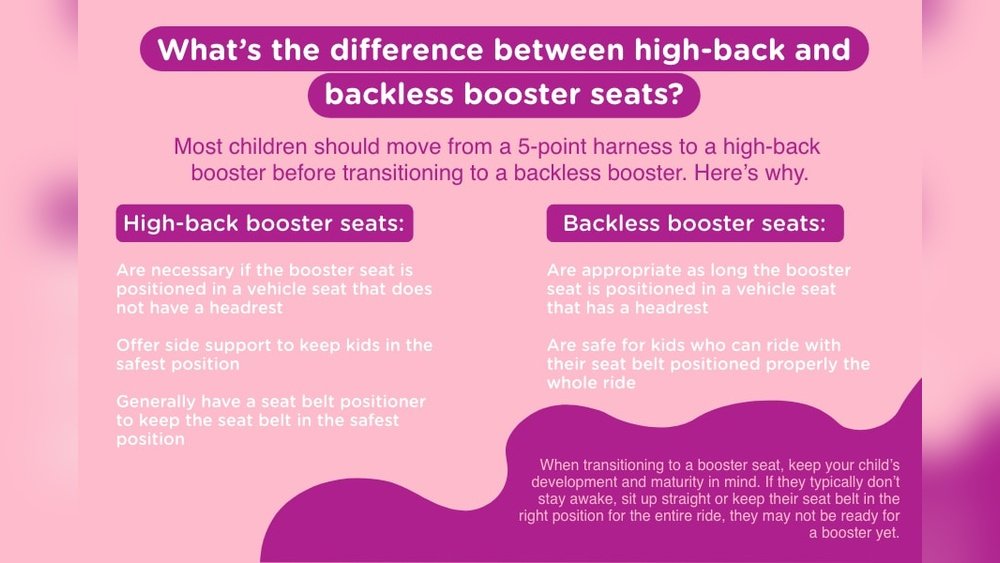
A high back booster seat has a supportive backrest. It offers head and neck support for your child. This seat is good for cars without headrests or low seat backs. The high back helps keep the seat belt in the right place.
What Is A Backless Booster Seat?
A backless booster seat is a simple cushion. It raises your child to fit the car’s seat belt better. This type works well in cars with good head support. It is lighter and easier to move between vehicles.
How Do Booster Seats Improve Safety?
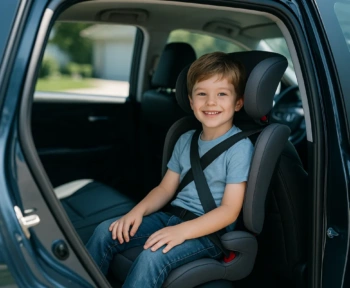
Booster seats position the seat belt properly on the child’s body. The lap belt sits low on the hips, not the stomach. The shoulder belt fits across the chest, not the neck. Correct positioning reduces injury in crashes.
Types Of Booster Seats
Booster seats help children sit safely in cars. Choosing the right type is important for safety and comfort. Two main types exist: high back boosters and backless boosters. Each offers different features and benefits. Understanding these types helps parents make smart choices.
High Back Boosters
High back boosters have a supportive frame around the child. They include a headrest and side wings for extra protection. These boosters help position the seat belt correctly on the child’s body. They work well in cars without headrests or with low seat backs. Many parents find them more comfortable for long trips. High back boosters offer good support and help reduce injury risk.
Backless Boosters
Backless boosters are simple and lightweight. They raise the child so the seat belt fits properly. These boosters are easy to move between cars. They work best in vehicles with headrests. Backless boosters take up less space and cost less. They are good for short trips and older children. Still, they provide less support than high back models.
Safety Features Of High Back Boosters
High back boosters offer important safety features that protect children during car rides. These boosters provide more support for the child’s head and neck. They help keep the seatbelt in the correct position. This reduces the risk of injury in a crash. Parents often choose high back boosters for these added protections.
The design of high back boosters includes side wings. These wings protect the child from side impacts. The headrest is adjustable to fit different heights. This ensures the seatbelt stays over the child’s shoulder, not the neck. The backrest supports the child’s spine and keeps good posture.
Side Impact Protection
High back boosters have padded side wings. These cushions absorb energy during a side collision. They shield the child’s head and chest effectively. This feature lowers the chance of serious injury. Side impact protection is a key safety benefit.
Proper Seatbelt Positioning
The booster’s design guides the seatbelt to fit correctly. The belt stays across the chest and hips, not the stomach. Correct positioning prevents injuries to the abdomen and neck. This helps the seatbelt work as it should.
Adjustable Headrest
The headrest can move up or down. This feature grows with the child. It keeps the child comfortable and safe. The headrest supports the neck and head during sudden stops or crashes.
Back Support And Comfort
The full backrest supports the child’s spine. Good posture reduces fatigue on long trips. Comfort encourages children to sit properly. Proper sitting helps the booster protect them better.
Safety Features Of Backless Boosters
Backless boosters are popular for their simple design and easy use. They focus on raising a child so the car seat belt fits better. Safety is a top concern for parents choosing backless boosters. Understanding their safety features helps make a smart choice.
Backless boosters rely on the vehicle’s seat belt for protection. The main goal is to position the seat belt correctly on a child’s body. This reduces the risk of injury in a crash. The safety features work together to keep children secure and comfortable.
Proper Seat Belt Positioning
Backless boosters help place the seat belt across the child’s chest and hips. The belt should lie flat and not twist. It must not rest on the child’s neck or stomach. Correct belt placement lowers the chance of serious injuries.
Non-slip Base
Many backless boosters have a non-slip base to stay in place. This prevents the booster from sliding or shifting during travel. A stable seat reduces the risk of the child moving out of position. Safety improves with a firm hold on the car seat.
Side Impact Protection
Some backless boosters include side padding or wings. These parts offer limited side impact protection. They cushion the child’s body during a side collision. Though less protective than high back boosters, these features add safety.
Lightweight And Portable Design
Backless boosters are easy to carry and move between vehicles. This encourages consistent use, which is safer than no booster at all. Their lightweight design helps parents keep the child protected in every ride.
Crash Test Ratings
Crash test ratings help us understand how well booster seats protect children in car accidents. These ratings come from safety tests by trusted organizations. They show which seats offer better protection during a crash. This information guides parents to choose safer options for their kids.
High Back Booster Crash Test Results
High back boosters generally score higher in crash tests. They have side wings and head support. These features protect a child’s head and neck. The seatbelt fits better with a high back booster. This reduces the risk of injury in a crash. Many safety experts recommend high back boosters for younger kids.
Backless Booster Crash Test Results
Backless boosters have fewer protective features. They rely mostly on the vehicle’s seatbelt for safety. Crash tests show that backless boosters perform well on good car seats. But they offer less side impact protection. They are best for older children who fit well in a car’s seatbelt. Parents should check their car’s safety ratings too.
Comparing Safety Ratings
High back boosters often have better overall safety ratings. They reduce head and chest injuries in crashes. Backless boosters work well for children who are tall enough. Always pick a booster that fits your child and car well. Study crash test results before buying any booster seat.
Age And Size Recommendations
Choosing the right booster seat depends heavily on your child’s age and size. These factors affect both comfort and safety. Using the correct booster helps protect your child in case of an accident. Different booster types fit different ages and body sizes better.
Age Recommendations For High Back Boosters
High back boosters suit younger children, usually from 4 to 8 years old. They provide head and neck support. This support is important for children who still need extra protection. The high back helps keep the seat belt in the right place. It also offers side impact protection, which is crucial for younger kids.
Age Recommendations For Backless Boosters
Backless boosters work best for older kids, generally ages 6 to 12. These children have better body control and can sit properly without extra support. Backless boosters are lighter and easier to move between cars. They still lift the child to position the seat belt correctly.
Size Guidelines For High Back Boosters
High back boosters fit children who weigh between 30 and 100 pounds. They accommodate heights from about 38 to 57 inches. This range covers most younger kids who still need extra support. The high back keeps the child secure and comfortable during travel.
Size Guidelines For Backless Boosters
Backless boosters suit children who weigh 40 to 100 pounds. Ideal height is usually 40 to 57 inches. These boosters work well for kids who have outgrown the need for head and neck support. They keep the seat belt positioned over the hips and shoulders.
Installation And Fit
Installing a booster seat correctly is vital for child safety. The fit between the booster and the vehicle affects protection during travel. Both high back and backless boosters have different installation needs. Understanding these helps ensure a secure fit for your child.
Vehicle Compatibility
High back boosters fit most vehicles well. They offer side support and head protection. Some cars with low seat backs may not work well with high back boosters.
Backless boosters require a vehicle with a good seat belt and headrest. They need a lap and shoulder belt for proper use. Not all cars provide this, so checking is important.
Ease Of Use
High back boosters can be bulky and take more time to install. They often have straps or clips for extra security. This may confuse some parents at first.
Backless boosters are lighter and easier to move between cars. They usually just slide onto the seat. This makes them simpler to use daily.
Comfort And Support
Comfort and support are key factors in choosing a booster seat. A child needs to feel safe and relaxed during the ride. The right booster helps maintain good posture and reduces fatigue on long trips. This section compares the comfort and support of high back and backless boosters.
High Back Boosters Provide Head And Neck Support
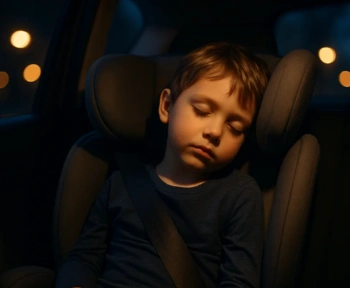
High back boosters have a tall seat with side wings. These wings support the head and neck. This is helpful on bumpy roads or during sudden stops. The extra support keeps the child’s head from falling to the side. This design suits children who fall asleep in the car.
Backless Boosters Offer More Freedom Of Movement
Backless boosters are smaller and lighter. They let children move their upper body freely. This can feel less restrictive for some kids. The lack of a backrest means less support for the head and neck. It works best for older children who sit well on their own.
Padding And Seat Design Affect Comfort
Both booster types come with padding. Soft cushions improve comfort, especially on long drives. High back boosters often have thicker padding. This adds to the overall comfort and support. Backless boosters usually have thinner padding but still provide a soft seat.
Support For Proper Seat Belt Positioning
High back boosters guide the seat belt better. They keep the belt across the shoulder and chest. This helps prevent the belt from slipping off. Backless boosters rely on the car’s seat shape for belt positioning. This may not work well in all cars.
Common Safety Concerns
Choosing the right booster seat involves understanding common safety concerns. Parents want to keep their children safe during car rides. Both high back and backless boosters have safety features and risks. Knowing these concerns helps in making a better choice. Safety is the top priority in every child car seat decision.
Proper Seat Belt Fit
A good booster seat ensures the seat belt fits correctly. The belt should lie across the child’s chest and hips. High back boosters guide the belt better for smaller children. Backless boosters may not position the belt as well on younger kids. Poor belt fit can cause injuries during a crash.
Head And Neck Support
Head and neck protection matters, especially in side-impact crashes. High back boosters provide extra support for the head and neck. Backless boosters lack this support, which may increase injury risk. Children who fall asleep in the car benefit from high back seats. This support helps keep the head from falling forward or sideways.
Vehicle Seat Compatibility
Not all car seats fit every vehicle perfectly. High back boosters can work well in seats without headrests. Backless boosters need a high seat back in the car for support. A poor fit can reduce the booster’s safety performance. Check your car and booster seat instructions before buying.
Child’s Age And Size
Children grow fast, and their booster needs change. High back boosters suit younger, smaller children better. Backless boosters are often for older, bigger kids. Using a booster too early or too late can be unsafe. Follow weight and height guidelines on the booster label for safety.
Choosing The Right Booster
Choosing the right booster seat is important for your child’s safety and comfort. Different seats suit different needs. Knowing what to consider helps you make the best choice. Think about your child’s size, the car you use, and your budget. This guide will help you decide between a high back and a backless booster seat.
Assessing Your Child’s Needs
Start by checking your child’s height and weight. High back boosters offer better head and neck support. They are good for younger or smaller kids. Backless boosters work well for older children who fit the car seat belt properly. Consider the car’s seat shape. Some cars need high back boosters for better belt fit. Think about your child’s comfort during long rides. Some kids feel safer with extra support around their head.
Budget Considerations
Booster seat prices vary widely. High back boosters usually cost more than backless ones. Set a budget before shopping. Remember, safety is the priority, not price alone. Look for booster seats that meet safety standards. Choose a seat that lasts longer as your child grows. Spending a bit more now can save money later. Check if the booster seat is easy to clean and maintain. This can save time and money in the long run.
Common Questions Parents Ask
What Makes High Back Boosters Safer Than Backless Ones?
High back boosters provide better head and neck support. They protect children in side-impact crashes more effectively than backless boosters.
Safe Kids Worldwide and most CPSTs recommend high-back as the default booster unless the vehicle has a tall headrest. The belt-guide clip on a high-back also keeps the shoulder belt positioned correctly on the shoulder, not the neck.
Source: Safe Kids Worldwide Guidance
Can Backless Boosters Be Safe For All Children?
Backless boosters suit children who have outgrown car seats but meet height and weight limits. They require vehicle headrests for proper support.
How Do High Back Boosters Improve Child Comfort And Safety?
They offer better posture support and reduce seat belt slipping. This keeps children safer and more comfortable during trips.
Are High Back Boosters Easier To Install Than Backless Ones?
High back boosters can be bulkier and slightly harder to install. Backless boosters are lighter and simpler to move between cars.
When Should A Child Switch From High Back To Backless Boosters?
Switching depends on the child’s height and car seat belt fit. Typically, children move to backless boosters when they can sit properly without extra support.
Do Both Booster Types Fit All Car Models Equally?
High back boosters work well in cars without headrests. Backless boosters require a car with a proper headrest for safety.
Which Booster Type Offers Better Protection In Side-impact Crashes?
High back boosters offer superior side-impact protection. Their extended sides shield the child’s head and torso better than backless models.
Key Takeaways for Parents
Choosing between high back and backless boosters depends on safety needs. High back boosters offer more head and neck support. Backless boosters are easier to carry and fit in smaller cars. Both types keep children safe when used correctly. Always follow your car’s seat belt rules.
Check the booster fits your child’s size well. Safety comes first, so pick what suits your child best. Proper installation matters more than the booster style. Keep your child secure and comfortable on every trip.
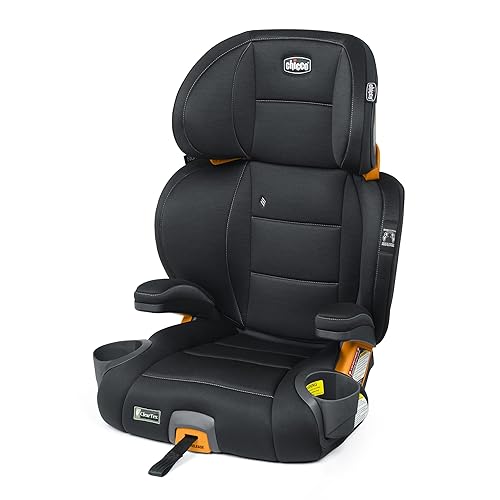
Chicco KidFit ClearTex Plus 2-in-1 Belt-Positioning Booster
- DuoGuard head and torso protection with 10-position height adjustment
- LATCH connectors with SuperCinch tightener keep the booster stable
- Flame retardant-free fabrics, removable and machine washable
As an Amazon Associate, topcarseats.com earns from qualifying purchases at no extra cost to you.
Primary Sources
This article is cross-referenced against the following primary sources.
- Safe Kids Worldwide – Booster Guidance – Non-profit CPST training body. safekids.org
- NHTSA Booster Seat Information – Federal guidance on booster types. nhtsa.gov
- IIHS Booster Research – Independent crash-test evaluations of booster seats. iihs.org