You want to keep your child safe every time they ride in the car. But how do you know when it’s time to stop using a booster seat?
You want to keep your child safe every time they ride in the car. But how do you know when it’s time to stop using a booster seat?
It’s a question many parents face, and the answer isn’t always clear. Using a all booster seat guides too long or switching too soon can affect your child’s safety. You’ll discover exactly when your child can stop using a booster seat and what signs to look for.
Booster Seat Basics
Booster seats help keep children safe in cars. They raise kids to fit seat belts properly. Proper fit lowers injury risks during accidents.
Understanding booster seat basics helps parents know when to use or stop using one. Safety rules and child growth guide these decisions.
What Is A Booster Seat?
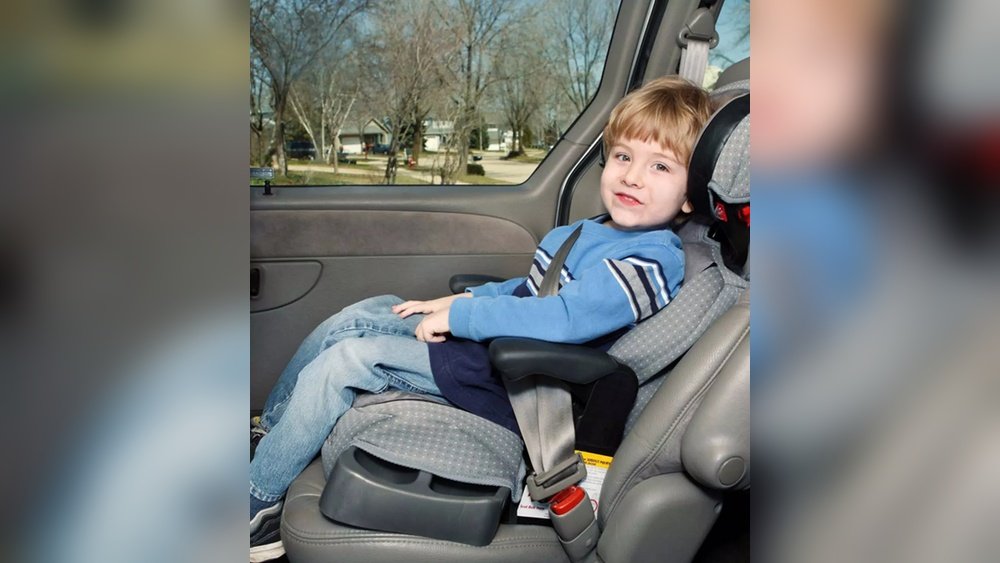
A booster seat lifts a child so the the 5-step seat belt fit tests well. It moves the belt from the neck and face to the chest and hips. This reduces injuries in crashes.
Age And Weight Guidelines
Children usually when your child is ready for a booster seats at age four. They continue until about eight to twelve years old. Weight limits vary but often start around 40 pounds.
The seat belt must lie across the upper thighs, not the stomach. The shoulder belt should cross the chest and shoulder, not the neck. A good fit means it works as designed.
Types Of Booster Seats
High-back boosters offer head and neck support. high-back vs backless booster guides are portable and used with good car seats. Choose based on your car and child’s needs.
Age Recommendations
Children should use a booster seat until they reach about 4 feet 9 inches tall or 8 to 12 years old. Proper seat belt fit is key for safety. Always check your local laws and child’s comfort.
Age Recommendations For Booster Seat Use
Children need booster seats to stay safe in cars. These seats help the seatbelt fit properly. Age plays a big role in deciding when to stop using a booster seat.
Most experts say children should use a booster seat until they are about 8 to 12 years old. This range depends on the child’s size and height. Age alone is not enough to decide.
Typical Age Range To Stop Using Booster Seats
Many children stop using booster seats between 8 and 12 years old. At this age, most kids have grown tall enough. They can wear seat belts correctly without extra support.
Parents should check their child’s height and weight. These factors are just as important as age for safety.
Why Age Alone Is Not Enough
Children grow at different rates. Some may be ready to stop using a booster seat earlier. Others may need it longer for proper protection.
Car safety rules also focus on height. Usually, a child should be at least 4 feet 9 inches tall. This height helps the seat belt fit across the chest and hips.
Signs Your Child Is Ready To Stop Using A Booster Seat
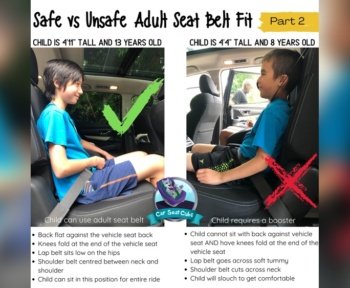
The seat belt should lie flat across the child’s shoulder. It must not touch the neck or face. The lap belt should rest low on the hips.
If the child can sit against the car seat back with knees bent at the edge, it’s a good sign. These clues help decide the right time to stop using a booster seat.
Weight And Height Limits
Weight and height limits are the main rules to stop using a booster seat. These limits keep children safe in cars. They show when a child is big enough to use a seat belt without extra help.
Each booster seat has its own weight and height rules. These rules depend on the seat’s design and safety tests. Following them helps protect your child in crashes.
Weight Limits For Booster Seats
Most booster seats fit children weighing between 40 and 100 pounds. Some seats allow children up to 120 pounds. The child should not exceed the seat’s maximum weight limit. This weight limit ensures the seat’s belt guides work properly.
Height Limits For Booster Seats
Height limits usually range from 40 to 57 inches tall. When a child grows taller than the limit, the booster seat may not fit well. Proper belt fit is key. The shoulder belt should lie across the chest, not the neck or face.
Checking Your Booster Seat’s Labels
Every booster seat has a label with weight and height limits. Check this label before buying or using the seat. Follow the label instructions to keep your child safe. Do not guess or estimate these limits.
Proper Seat Belt Fit
Proper seat belt fit is the key to knowing when a child can stop using a booster seat. The seat belt must sit correctly on the child’s body. A good fit keeps the child safe during every ride.
The lap belt should lie low across the child’s hips, not the stomach. The shoulder belt must cross the middle of the chest and shoulder. It should never touch the neck or face.
Check if the child can sit all the way back against the car seat. Their knees should bend comfortably at the edge of the seat. Feet should rest flat on the floor or a footrest.
Lap Belt Position
The lap belt must fit snugly across the upper thighs. It should not rest on the belly. This reduces injury risk in a crash. If the belt rides up, the child needs a booster seat.
Shoulder Belt Position
The shoulder belt should lay across the chest and shoulder. It must not slip off or touch the neck. A poor fit increases the chance of injury.
Child’s Seating Posture
The child should sit upright without slouching. Slouching can cause the seat belt to fit incorrectly. Encourage children to sit properly at all times.
Signs Your Child Is Ready
The child can sit with a proper belt fit without a booster. They can keep the seat belt in the right place. Their height is usually around 4 feet 9 inches.
Signs To Transition Out
Knowing when your child can stop using a booster seat is important for their safety. Watch for clear signs that show your child is ready to move on. These signs help you decide the right time to switch to a regular seat belt.
Child’s Height And Weight
Check your child’s height and weight first. Most booster seats have limits. Children usually stop using booster seats when they reach about 4 feet 9 inches tall. Their weight should also be within the seat belt’s safe range. If your child fits these measurements, they might be ready.
See how the seat belt fits your child. The lap belt should lie low across the hips, not the stomach. The shoulder belt must cross the chest and rest on the shoulder. If the belt fits this way without a booster, your child is ready to transition.
Comfort And Stability In The Car
Your child should sit comfortably and stay still in the seat. They must not slouch or lean out of position. Good posture helps the seat belt protect them well. If your child can sit properly without a booster, it’s a sign to stop using one.
State Laws And Regulations
Each state has its own rules about booster seat use. These laws help keep children safe in cars. They tell parents when kids can stop using booster seats. It is important to follow these regulations to avoid fines and risks.
State laws usually focus on the child’s age, weight, and height. Some states require booster seats until the child is 8 years old. Others ask for a certain height, often around 4 feet 9 inches. Weight limits also matter, varying from 40 to 80 pounds.
Parents must check local laws before deciding to stop using a booster seat. Car safety experts recommend not rushing this step. Laws are designed to protect kids during car rides.
Age Requirements For Booster Seats
Many states set a minimum age for booster seat use. This age is often between 6 and 8 years. Children younger than this must use a booster seat or car seat. Age rules help ensure the child’s body is ready for a seat belt alone.
Height and weight rules vary by state. Most require children to be at least 4 feet 9 inches tall. Weight limits usually range from 40 to 80 pounds. These limits ensure the seat belt fits properly on the child’s body.
Penalties For Not Following Booster Seat Laws
States may fine parents for ignoring booster seat laws. Fines can be costly and add points to a driver’s license. More important, ignoring laws increases injury risk for children. Following booster seat laws keeps kids safer on the road.
Common Mistakes To Avoid
Knowing when to stop using a booster seat is important for your child’s safety. Many parents make common mistakes that can put children at risk. Avoiding these errors helps keep your child safe during every car ride.
Stopping Booster Seat Use Too Early
Some parents stop using booster seats before their child is ready. This can be dangerous because the car’s seat belt might not fit properly. The belt needs to fit over the shoulder and lap, not the neck or stomach.
Ignoring Height And Weight Guidelines
Booster seats have height and weight limits. Ignoring these can cause improper seat belt fit. Always check the booster seat manual and your car’s seat belt instructions for proper fit.
Skipping The Seat Belt Fit Test
Do a simple seat belt fit test before stopping booster seat use. The belt should lie across the middle of the chest and low on the hips. If it does not, keep using the booster seat.
Relying Only On Age To Decide
Age alone should not decide when to stop using a booster seat. Children grow at different rates. Focus on size and seat belt fit instead of age.
Not Checking Seat Belt Position Regularly
Children grow quickly. Check the seat belt fit often. Adjust or continue booster seat use as needed to keep the belt in the right place.
Choosing The Right Booster Seat
Choosing the right booster seat is key for your child’s safety and comfort. Seats come in different sizes and styles. Picking one that fits your child well helps keep them secure during car rides.
Look for booster seats that match your child’s height and weight. A proper fit ensures the seatbelt sits correctly over their body. This reduces risk of injury in a crash.
Check the seat’s instructions and labels for weight and height limits. These rules help know when a seat is no longer safe. Also, consider the car’s size and seat shape for a good fit.
Types Of Booster Seats
Booster seats come in two main types: high-back and backless. High-back boosters offer head and neck support. They work well in cars without headrests.
Backless boosters are smaller and easier to move between cars. They require the car’s seat to have a headrest. Choose based on your child’s needs and your vehicle.
Safety Features To Look For
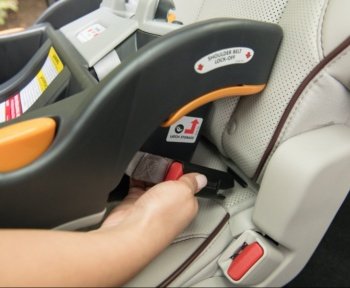
Check for strong, sturdy construction. Seats with side impact protection add extra safety. A secure belt path guides the seatbelt in the right place.
Some booster seats have armrests for comfort. Look for easy installation features. These help avoid mistakes that reduce protection.
Comfort And Convenience
Choose a booster with soft padding and breathable fabric. A comfortable seat encourages your child to sit properly. Removable covers make cleaning easier.
Consider lightweight seats for easy moving. Some models fold flat for storage. Think about your daily needs and your child’s preferences.
Tips For Comfortable Travel
Traveling with children can be challenging, especially on long trips. Ensuring your child’s comfort helps keep the journey smooth. Comfort reduces fussiness and makes the trip more pleasant for everyone.
Using a booster seat correctly is part of this. Knowing when to stop using the booster seat is important. Meanwhile, here are some tips to make travel comfortable while your child still uses the booster seat.
Choose The Right Booster Seat Size
Pick a booster seat that fits your child’s height and weight. A proper fit supports their body well. It also keeps the seatbelt in the correct position. Avoid seats that are too big or too small.
Use Soft Seat Covers And Cushions
Place a soft cover on the booster seat. It adds extra comfort during long rides. A cushion can help reduce pressure points. Make sure the cover is safe and does not interfere with the seatbelt.
Take Regular Breaks
Stop every hour or two to let your child stretch. Moving around helps reduce stiffness and discomfort. Short breaks keep kids happy and calm. Use this time to check the booster seat fit as well.
Keep Snacks And Drinks Handy
Bring easy-to-eat snacks and water for the trip. Hunger and thirst can make children restless. Small snacks help keep their energy up. Avoid messy foods that could distract them or make a mess.
Bring Favorite Toys Or Books
Pack a few favorite toys or books for the trip. These items keep children entertained and calm. Quiet activities help maintain comfort and reduce boredom. Choose small, easy-to-handle items for the car.
Safety Beyond Booster Seats
Booster seats help keep children safe in cars. But safety does not stop when children stop using booster seats. Parents must continue to follow important safety steps. These steps protect children as they grow and travel in vehicles.
Children need to learn how to use seat belts properly. Seat belts work best when they fit correctly. A good fit means the belt lies across the chest and lap, not the neck or stomach.
Seat belts must sit low on the hips and across the shoulder. The belt should not touch the child’s neck or face. Children should sit all the way back in the seat. Their knees should bend comfortably at the edge of the seat.
Choosing The Right Car Seat
Even after booster seats, some children may need special car seats. Check your local laws and all car seat safety guideslines. Some kids need seats with extra support or harnesses until they are bigger.
Safe Seating Position In The Car
The back seat is the safest place for children under 13. Sitting in the front seat can be dangerous. Airbags can injure young passengers in front seats.
Teaching Kids About Car Safety
Children should know why seat belts matter. Teach them to always buckle up. Explain how seat belts protect them during sudden stops or crashes.
Common Questions Parents Ask
When Can A Child Safely Stop Using A Booster Seat?
A child can stop using a booster seat when they are at least 4 feet 9 inches tall. They should also be able to sit with their back against the car seat and knees bent at the edge.
Why Is Height Important For Stopping Booster Seat Use?
Height ensures the seat belt fits correctly across the shoulder and hips. This fit helps protect the child in case of a crash.
What Age Is Typical For Ending Booster Seat Use?
Most children stop using booster seats between 8 and 12 years old. Age varies based on height, weight, and car seat laws by states.
Can A Child Stop Using A Booster Seat If They Are Heavy Enough?
Weight alone is not enough to stop booster seat use. Proper seat belt fit and height are more important for safety.
How Do I Know If The Seat Belt Fits Without A Booster?
The seat belt should lie flat across the chest and shoulder, not the neck or face. The lap belt must fit low on the hips, touching the thighs.
Is It Legal To Stop Using A Booster Seat Early?
Laws differ by state or country, but safety guidelines recommend booster use until the child is tall enough. Always check local rules before stopping.
What Risks Exist If A Child Stops Booster Seats Too Early?
Stopping booster seat use too early can cause poor seat belt fit. This increases the chance of injury during a car accident.
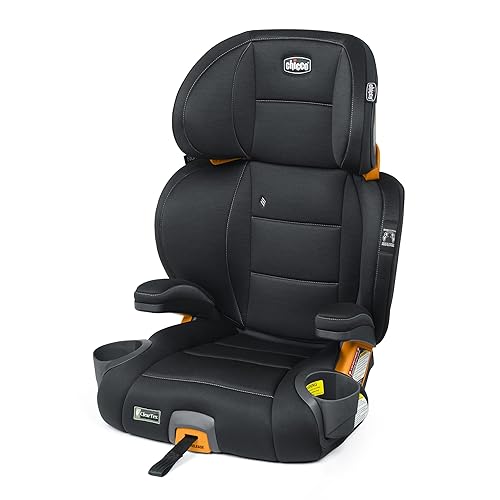
Chicco KidFit ClearTex Plus 2-in-1 Belt-Positioning Booster
- DuoGuard head and torso protection with 10-position height adjustment
- LATCH connectors with SuperCinch tightener keep the booster stable
- Flame retardant-free fabrics, removable and machine washable
As an Amazon Associate, topcarseats.com earns from qualifying purchases at no extra cost to you.
Key Takeaways for Parents
Children should stop using booster seats when they fit the car’s seat belt properly. This usually happens when they reach about 4 feet 9 inches tall and are 8 to 12 years old. The seat belt must lie across the upper thighs, not the stomach, and rest snugly on the shoulder.
Always check your state’s specific laws for booster seat rules. Safety comes first. A correct fit keeps your child protected during every ride. Stay informed and keep your child safe on the road.