your child can safely sit in the front seat with a booster? It’s a question many parents face, and the answer isn’t always clear.
your child can safely sit in the front seat with a booster? It’s a question many parents face, and the answer isn’t always clear.
You want to keep your little one safe while making every car ride comfortable and stress-free. But is the front seat the right place when your child uses a booster? You’ll discover important facts that could protect your child from harm.
Booster Seat Basics
Booster seats help children sit safely in the car. They raise a child so the the 5-step seat belt fit tests well. Proper fit keeps kids secure during travel. Understanding booster seat basics is important for safety.
What Is A Booster Seat?
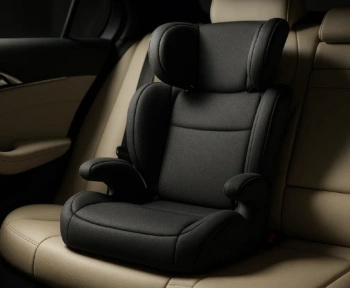
A all booster seat guides is a special seat for kids. It lifts the child so the car’s seat belt fits across the shoulder and lap. This fit reduces injury risk in crashes. Booster seats are for kids too big for car seats but too small for seat belts alone.
When Can A Child Use A Booster Seat?
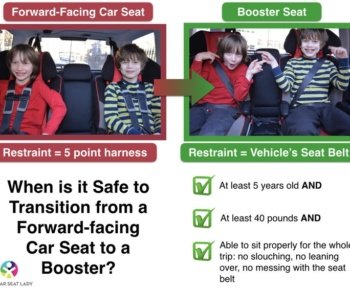
Children usually when your child is ready for a booster seats at age four or five. They should weigh at least 40 pounds. The child must be able to sit still without slouching. Good posture helps the seat belt work correctly.
Types Of Booster Seats
There are two main types: high-back and high-back vs backless booster guides. High-back boosters offer head and neck support. Backless boosters are smaller and portable. Choose based on your child’s needs and car design.
Installing A Booster Seat
Place the booster seat on the car’s back seat. The seat belt must go over the child’s shoulder and lap. Check that the belt is snug and flat, not twisted. Follow the booster seat’s instructions carefully.
Front Seat Risks For Kids
Children sitting in the front seat face several safety risks. The front seat is designed mainly for adults. Kids, even with booster seats, are more vulnerable here. Understanding these risks helps parents make safer choices for their children.
Airbag Dangers For Children
Front seat airbags deploy with great force. This force can hurt children, especially small ones. The impact may cause serious injuries or worse. Booster seats do not protect kids from airbags. Airbags are made for adult bodies, not children.
Crash Impact Differences
The front seat is closer to the dashboard and windshield. In a crash, children here face stronger impacts. The risk of hitting hard surfaces increases. Booster seats cannot fully absorb these shock forces. Rear seats offer better protection by distance and position.
Improper Seatbelt Fit
Seatbelts in the front seat may not fit children correctly. Booster seats raise kids, but belts can still sit too high or low. A poor fit can cause injuries in sudden stops or crashes. Proper seatbelt fit is vital for safety and comfort.
Distraction To The Driver
Kids in the front seat can distract the driver more easily. They may reach controls or talk loudly. Distractions increase the chance of accidents. Keeping children in the back reduces this risk and helps keep focus on the road.
Age And Weight Guidelines
Age and weight are the most important factors to decide if a child can sit in the front seat with a booster. Safety rules vary by state and country, but most agree on basic guidelines. These rules help protect children from injury during car rides.
Booster seats raise a child so seat belts fit properly. Without proper fit, the seat belt can hurt the child in a crash. Knowing the right age and weight helps parents keep children safe.
Age Requirements For Front Seat Booster Use
Children usually must be at least 8 years old to sit in the front seat with a booster. Some places say the child must be 13 to sit in front safely. Age is key because it relates to a child’s body size and maturity.
Weight Guidelines For Booster Seat Use
Most booster seats fit children weighing between 40 and 100 pounds. A child must weigh enough so the seat belt fits across the chest and hips. Underweight children may not be protected properly.
Height Considerations Alongside Age And Weight
Height matters for booster seat use too. Children should be at least 4 feet 9 inches tall to use a regular seat belt safely. Booster seats help achieve this height for many kids under this mark.
Airbag Safety Concerns
Airbags save lives but can pose risks for children in the front seat. Booster seats raise a child’s height, placing them closer to the airbag. This can cause serious injuries if the airbag deploys during a crash. Understanding these dangers helps parents make safer choices.
What Happens When An Airbag Deploys
Airbags inflate very fast and with great force. They are made to protect adults, not small children. A child in a booster seat is too close to the airbag’s path. The airbag can hit the child’s head or chest hard.
Recommended Age And Size Guidelines
Experts suggest children under 13 sit in the back seat. This is the safest place away from airbags. Children must meet height and weight limits before sitting in the front. Booster seats alone do not make front seating safe.
Your child should be tall enough to sit with the seatbelt properly fitted. Their back must rest against the seat, and knees bend at the seat’s edge. They must follow car safety rules and stay seated properly at all times.
State Laws On Booster Seating
car seat laws by states on booster seating vary across the country. Each state sets rules to keep children safe in cars. These laws decide who can sit in the front seat with a booster. Knowing the rules helps parents follow the law and protect their kids.
Most states require children to use booster seats until they reach a certain age, weight, or height. Some states allow front seat riding with a booster only after kids meet these limits. Others forbid children under a specific age from sitting in the front seat at all. Understanding these differences is important for safe travel.
Age And Size Requirements
States often set age limits for front seat riding with boosters. Many require children to be at least 8 years old. Some focus on height or weight instead. For example, children must be 4 feet 9 inches tall in some states. These rules ensure the seat belt fits properly.
Seat Belt Fit Standards
Proper seat belt fit is key for safety. Laws may require the lap belt to lie across the upper thighs. The shoulder belt must rest on the chest, not the neck. Booster seats help achieve this fit. States vary on how strictly they enforce these standards.
Exceptions And Special Cases
Some states allow exceptions if the car lacks rear seats. Others permit front seat riding with boosters during short trips or emergencies. It is important to check local laws for any special rules. Following these rules reduces injury risks in crashes.
Proper Booster Seat Installation
Installing a booster seat correctly is very important for child safety. A poorly installed seat can reduce protection during a crash. Parents must follow clear steps to keep kids safe in the front seat with a booster.
Every car and booster seat is different. Knowing the right way to install helps avoid common mistakes. This section explains the key points to installing a booster with LATCH seats properly.
Choosing The Right Seat Position
Place the booster seat in the front seat only if the car allows it. Check the vehicle’s manual for guidelines. The seat should be against the backrest and flat on the seat bottom.
Using The Vehicle’s Seat Belt Correctly
Make sure the lap belt lies low on the child’s hips, touching the thighs. The shoulder belt should rest across the chest and shoulder, not the neck or face. This positioning prevents injuries in a crash.
Securing The Booster Seat Firmly
The booster seat should not move more than one inch side to side or front to back. Press down and tighten the seat belt to hold the booster in place. A loose seat can cause harm during sudden stops.
Adjusting The Headrest And Back Support
Adjust the booster’s headrest so the child’s head fits comfortably. The headrest should protect the head and neck. Good support helps keep the child in the correct position.
Checking For Airbag Safety
Airbags can be dangerous for small children in the front seat. Make sure the child sits far from the dashboard. Turn off the passenger airbag if the car allows, especially for younger kids.
Positioning Your Child Correctly
Placing your child correctly in the car seat is very important. It keeps them safe and comfortable during the ride. Correct positioning helps the booster seat work as it should.
Parents need to know how to adjust the seatbelt and where the child should sit. This reduces the risk of injury in case of sudden stops or accidents.
Proper Seatbelt Placement
The seatbelt should lie across the child’s shoulder and chest. It must never touch the neck or face. The lap belt needs to fit snugly over the hips and upper thighs.
This placement keeps your child secure without causing discomfort. Loose or twisted belts can cause harm in a crash.
Adjusting The Booster Seat Height
Make sure the booster seat is the right height for your child. Their knees should bend at the edge of the seat. Feet should rest flat on the floor.
Proper height helps the seatbelt fit correctly. It also prevents your child from sliding forward or slouching.
Child’s Seating Position
Your child should sit upright, with their back against the seat. Slouching can reduce the booster seat’s effectiveness. It can also make the seatbelt fit improperly.
Encourage your child to stay still during the ride. Moving around can loosen the seatbelt and reduce safety.
Signs Your Child Is Ready For Front Seat
Knowing when a child can sit in the front seat is very important for safety. The front seat has more risks than the back. The right time depends on the child’s age, height, and behavior.
Parents should watch for clear signs before moving their child forward. These signs help ensure the child is safe and comfortable in the front seat.
Child’s Age And Weight
Most safety experts suggest children be at least 13 years old. Weight also matters; children should meet the car seat or booster limits first. Age and weight help protect children from injury in crashes.
Proper Height For Seat Belt Fit
The seat belt must fit correctly across the child’s body. The lap belt should lie low on the hips. The shoulder belt must cross the chest and shoulder, not the neck or face. Proper fit reduces injury risk.
Child’s Ability To Stay Seated
Children must sit still during the whole ride. Moving or leaning can cause the seat belt to fit poorly. Good behavior in the car is a sign of readiness for the front seat.
Understanding Safety Rules
Children should know why they must wear a seat belt. They should listen to adults about car safety. Understanding rules shows maturity and readiness to sit in front.
Alternatives To Front Seat Riding
Choosing where your child sits in the car is important for their safety. The front seat is not always the best place for children, even with a booster seat. There are safer and better options to keep your child protected during the ride. These alternatives help prevent injuries and follow safety rules.
Parents can explore different seating choices that offer more protection. The back seat is usually the safest spot for kids. Using the right child restraint system is key. Let’s look at some good alternatives to front seat riding.
Rear Seat With Booster Seat
The back seat is the safest place for children over age 4. Booster seats raise the child so the seat belt fits correctly. This reduces risk of injury in a crash. Always place the booster seat in the rear middle or side seat.
Using A Forward-facing Car Seat
Forward-facing car seats with harnesses offer strong protection. They keep the child secure and limit movement in a crash. These seats are good for kids who when to switch from infant to convertibles but are too small for booster seats.
Rear-facing Car Seat For Younger Children
Rear-facing seats protect the head, neck, and spine best. Experts recommend children stay rear-facing as long as possible. This type of seat is safer than booster seats or front seating for young kids.
Proper Seat Belt Use In The Back Seat
Seat belts must fit well to work correctly. Children should use booster seats until the belt fits across the shoulder and lap properly. The belt should not cross the neck or stomach. This helps avoid serious injuries.
Tips To Keep Kids Safe On The Road
Keeping kids safe on the road is a top priority for every parent. Car trips can be risky without the right safety measures. Simple steps can protect children and give parents peace of mind.
Understanding the right use of booster seats and seating positions helps prevent injuries. Parents must know when a child can sit in the front seat safely. Following clear safety tips reduces accidents and keeps kids secure.
Use The Correct Booster Seat For Your Child
Choose a booster seat that fits your child’s height and weight. The seat must be certified and meet safety standards. A good booster seat raises the child so the seat belt fits properly. This prevents injuries during sudden stops or crashes.
Follow Car Seat And Booster Seat Age Guidelines
Keep children in the back seat until they are at least 13 years old. The back seat is safer because airbags can hurt young kids. Use a booster seat until the seat belt fits correctly without it. Age and size rules help decide the right time to move kids forward.
Position The Seat Belt Correctly
Make sure the lap belt sits low on the hips, not the stomach. The shoulder belt should cross the chest and rest on the shoulder. This placement avoids injuries in case of an accident. Check the belt fit every time you buckle your child.
Secure The Booster Seat Properly
Attach the booster seat firmly to the vehicle seat. Follow the manufacturer’s instructions for installation. A loose booster seat can cause harm during sudden stops. Double-check the seat before starting your trip.
Never Allow More Than One Child In One Booster Seat
Each child needs their own booster seat and seat belt. Sharing a seat increases the risk of injury. Ensure every child has proper protection on every trip.
Common Questions Parents Ask
Can A Child Sit In The Front Seat With A Booster Seat?
Children can sit in the front seat using a booster only if they meet age and size rules. Most safety experts advise waiting until the child is at least 12 years old.
What Is The Safest Age For A Child To Sit In Front?
The safest age for front-seat riding is usually 13 or older. Younger kids face higher injury risks in front seats.
Do Laws Allow Children To Use Booster Seats In Front Seats?
Booster seat laws vary by state or country. Many places require children to ride in the back until a certain age or height.
Why Is The Back Seat Safer For Children In Boosters?
The back seat is safer because airbags and crashes impact it less. It reduces the chance of serious injury.
How Tall Should A Child Be To Sit In The Front Seat?
A child should be at least 4 feet 9 inches tall to ride in front safely. This height helps seat belts fit properly.
Can Booster Seats Protect Children From Airbag Injuries?
Booster seats help position seat belts well but do not protect from airbag impact fully. Airbags can be dangerous for small children.
What Are The Risks Of Letting A Child Sit In Front With A Booster?
Risks include serious injury from airbags and crashes. The child may not be properly restrained by the seat belt.
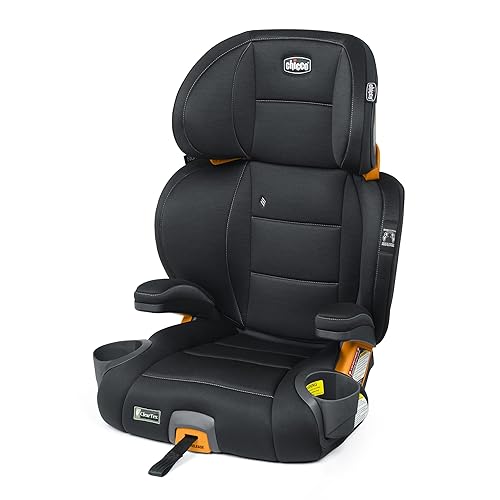
Chicco KidFit ClearTex Plus 2-in-1 Belt-Positioning Booster
- DuoGuard head and torso protection with 10-position height adjustment
- LATCH connectors with SuperCinch tightener keep the booster stable
- Flame retardant-free fabrics, removable and machine washable
As an Amazon Associate, topcarseats.com earns from qualifying purchases at no extra cost to you.
Key Takeaways for Parents
Children’s safety in cars matters most. Booster seats help kids sit properly. The front seat is not always safe for them. Laws and guidelines exist to protect children. Always follow the rules for your child’s age and size. Check the car manual and local laws before seating choices.
Safety belts work best with boosters in the back seat. Keep kids safe by making smart seating decisions. Your child’s well-being depends on how you choose. Safety first, every trip, every time.