When it comes to your toddler’s safety in the car, one question often stands out: How long should your little one stay rear-facing? You want to make sure your child is protected the best way possible, but the rules and recommendations can be confusing.
When it comes to your toddler’s safety in the car, one question often stands out: How long should your little one stay rear-facing? You want to make sure your child is protected the best way possible, but the rules and recommendations can be confusing.
This guide will clear up the mystery and help you understand exactly why keeping your toddler rear-facing longer can make a huge difference. Read on to discover the key facts that could keep your child safer every time you hit the road.
Benefits Of Rear-facing Seats
Rear-facing car seats offer many benefits for toddlers. They provide strong safety features that protect young children during travel. Keeping toddlers rear-facing helps reduce injuries in accidents. This seating position supports the child’s body better than forward-facing seats.
Parents should understand these benefits to make informed decisions about their child’s car seat safety. The following sections explain why rear-facing seats are safer for toddlers.
Enhanced Protection For Toddlers
Rear-facing seats shield toddlers from sudden crashes. The seat cradles the child’s head, neck, and spine. This reduces the risk of serious injury. Toddlers’ bodies are still fragile. Rear-facing seats offer extra support to delicate areas. The seat absorbs crash forces, protecting the child effectively.
Crash Impact And Spinal Safety
In a crash, the impact pushes the child forward. Rear-facing seats spread this force across the whole back. This prevents the head and neck from snapping forward. Toddlers have weaker neck muscles than adults. Rear-facing seats reduce stress on the spine. This lowers the chance of spinal injuries during accidents.
Recommended Age And Weight Limits
Knowing the right age and weight limits for rear-facing car seats helps keep toddlers safe. Experts agree toddlers should stay rear-facing as long as possible. This position offers better protection for the head, neck, and spine in crashes.
Many parents wonder how long their child should stay rear-facing. The answer depends on safety rules and the car seat’s limits. These rules guide parents on when to switch to forward-facing seats.
Guidelines From Safety Authorities
Safety organizations recommend children remain rear-facing until at least 2 years old. Some advise staying rear-facing beyond age 2 if the child fits the seat. The American Academy of Pediatrics suggests keeping toddlers rear-facing until they outgrow the seat’s height or weight limits. This advice helps prevent serious injuries in accidents.
Different countries may have slightly different rules. Most agree that toddlers under 2 or weighing less than 40 pounds should stay rear-facing. These guidelines aim to give toddlers the best protection during car rides.
Car Seat Manufacturer Instructions
Car seat manuals provide specific age, height, and weight limits for rear-facing use. Parents should check these instructions carefully before switching seats. Each car seat model varies in its limits and safety features.
Manufacturers often set maximum weight limits around 40 pounds for rear-facing seats. Height limits usually stop when the child’s head is near the top of the seat. Following these instructions helps ensure the seat works as designed.
Ignoring the manufacturer’s limits can reduce safety. Always use the seat according to the manual to protect your child effectively.
When To Transition To Forward-facing
Transitioning your toddler from rear-facing to forward-facing is a key step in their car seat safety journey. It requires careful thought and attention to your child’s growth and development. Knowing the right time helps keep your child safe during every trip.
Signs Your Toddler Is Ready
Look for these signs before changing the car seat direction. Your toddler should have good head and neck control. They must sit up straight without support. Check if your child’s height or weight reaches the car seat’s forward-facing limit. If your toddler tries to lean forward or slouch, it may be time to switch.
Risks Of Early Transition
Switching too soon can increase injury risk in a crash. Rear-facing seats protect the head, neck, and spine better. Forward-facing seats expose these areas to more force. Early transition may cause serious harm during accidents. Staying rear-facing longer is safer for toddlers.
Proper Installation Tips
Proper installation of a rear-facing car seat is vital for your toddler’s safety. A correctly installed seat keeps your child secure in case of sudden stops or crashes. Small mistakes can reduce the seat’s protection. Follow these key tips to install the seat right every time.
Positioning The Car Seat Correctly
Place the car seat in the back seat, facing the rear of the car. Use the seat belt or LATCH system to attach the seat tightly. The seat should not move more than one inch side to side or front to back. Check the angle of the seat to keep your toddler’s head from falling forward. Most seats have a level indicator to help with this.
Securing The Harness And Straps
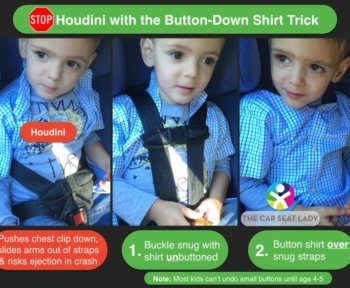
Use the harness to snugly hold your toddler in place. The straps should lie flat without twists. Position the harness at or below your child’s shoulders for rear-facing seats. Buckle the chest clip at armpit level. Tighten the straps until you cannot pinch any slack at the shoulder.
Common Mistakes To Avoid
Keeping your toddler rear-facing is one of the safest choices. Yet, many parents make simple mistakes that reduce protection. Knowing what to avoid helps keep your child safer in the car. Here are two common errors to watch out for.
Incorrect Harness Height
The harness must be at or below your toddler’s shoulders. Too high or too low weakens safety. A harness placed incorrectly can cause serious injury in a crash. Always check the harness height after adjusting the seat. Make sure straps are snug and secure without slack.
Loose Installation Issues
A loose car seat installation reduces crash protection. The seat should not move more than one inch side to side or front to back. Tighten the seat belt or LATCH system firmly. Regularly check the seat’s tightness, especially after long trips. Secure installation is key to keeping your toddler safe.
Legal Requirements By Region
car seat laws by states for toddlers vary widely by region. Different places set different rules for how long children must stay rear-facing. These rules aim to keep toddlers safe in vehicles.
Knowing the legal requirements helps parents follow the safest practices. It also ensures compliance with local laws. Below is a breakdown of these rules in major regions.
Laws In The United States
Each state in the U.S. has its own rules for rear-facing car seats. Most states require toddlers to remain rear-facing until at least age 2. Some states follow the American Academy of Pediatrics advice to keep children rear-facing as long as possible.
Several states have specific height or weight limits. Parents must check their state’s law to ensure compliance. Failure to follow these laws can lead to fines and unsafe travel conditions.
Regulations In Europe And Other Countries
European countries often have stricter rear-facing laws than the U.S. Many require toddlers to stay rear-facing until age 3 or beyond. The United Kingdom, for example, recommends rear-facing until at least age 3.
Other countries like Australia and Canada also set clear rules. Australia requires rear-facing use until toddlers reach certain height or weight limits. Canada’s provinces usually follow guidelines similar to the U.S., but with some variations.
Checking local regulations before travel is important. Following these rules improves child safety in any country.
Additional Safety Measures
Keeping your toddler safe in the car involves more than just using a rear-facing seat. There are extra steps to improve protection. These steps help reduce injury risks during sudden stops or crashes. Small actions make a big difference in your child’s safety.
Using Tethers And Anchors
Car seats often have tethers and anchors for added security. These parts attach the car seat firmly to your vehicle. They stop the seat from moving forward in a crash. Always check that tethers and anchors are connected properly. Tightening them can prevent dangerous shifts. Follow the car seat manual for exact instructions. Proper use of these can save lives.
Regular Car Seat Maintenance
Check your toddler’s car seat regularly. Look for cracks, loose parts, or broken buckles. Clean the seat with mild soap and water. Avoid harsh chemicals that can weaken materials. Make sure harness straps are not twisted or worn out. Replace any damaged parts immediately. Keeping the seat in good shape ensures maximum safety.
Common Questions Parents Ask
How Long Should Toddlers Stay Rear-facing In Car Seats?
Toddlers should stay rear-facing until at least age 2 or until they reach the car seat’s height or weight limit. Rear-facing offers better protection for their head and neck during crashes. Extended rear-facing significantly reduces injury risks in accidents.
The AAP updated its guidance in 2018 and again reaffirmed it: children should remain rear-facing as long as possible within the seat’s weight and height limits – not turned at age 1 or 2. Frontal crashes are the most common and most severe; rear-facing protects the developing head and neck.
Source: AAP 2018 Policy Statement
Why Is Rear-facing Safer For Toddlers?
Rear-facing seats distribute crash forces across the strongest parts of a child’s body. This position supports the head, neck, and spine better than forward-facing seats. It reduces the risk of severe injuries in frontal collisions, which are the most common type of car accident.
When Can A Toddler Switch To Forward-facing Seats?
Toddlers can switch when they exceed their rear-facing car seat’s height or weight limits. Most experts recommend waiting until at least age 2. Always follow the car seat manufacturer’s guidelines and local laws for a safe transition.
Are There Legal Requirements For Rear-facing Toddlers?
Yes, many regions legally require toddlers to remain rear-facing until at least age 2. Some places have stricter rules based on size limits. It’s important to check local laws to ensure compliance and maximize safety.
Key Takeaways for Parents
Keeping your toddler rear-facing as long as possible greatly improves safety. Experts say to wait until your child outgrows the car seat’s height or weight limits. Rear-facing seats protect the head, neck, and spine better during crashes. Always check your car seat’s manual for exact guidelines.
Staying patient and cautious helps avoid injuries on the road. Your child’s safety matters most. Choose the safest option and keep your toddler rear-facing for as long as recommended. Small steps now lead to big protection later. Safety first, always.

Graco Extend2Fit Convertible Car Seat
- Rear-facing harness from 4 to 50 lb, forward-facing harness to 65 lb
- 4-position extension panel adds up to 5 inches of legroom for longer rear-facing
- No-rethread harness and headrest adjust together in one motion
As an Amazon Associate, topcarseats.com earns from qualifying purchases at no extra cost to you.
Primary Sources
This article is cross-referenced against the following primary sources.