


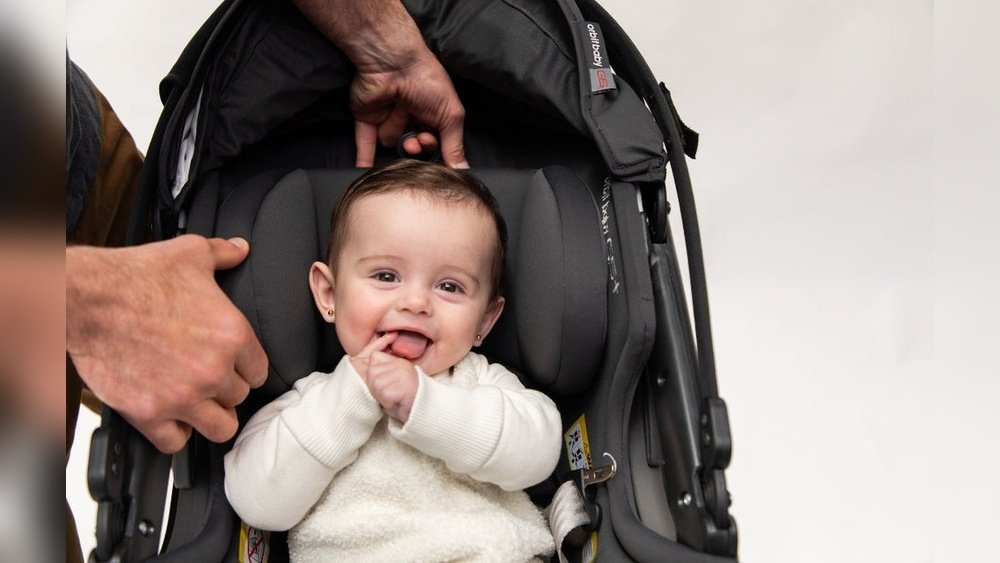
You want to keep your baby safe every time you travel. But how do you know when your little one has outgrown their infant car seat?
You want to keep your baby safe every time you travel. But how do you know when your little one has outgrown their infant car seat?
Using a seat that’s too small can be dangerous, while switching too early might not offer the best protection. This can leave you wondering: when is your baby too big for their all infant car seat guides?
Infant Car Seat Weight Limits
Infant car seats have weight limits to keep babies safe during travel. These limits tell parents when a baby is too big for the seat. Using a seat beyond its weight limit can be dangerous. It is important to know these limits to protect your child.
Typical Weight Restrictions
Most infant car seats hold babies up to 22 to 35 pounds. The usual range is between 20 and 30 pounds. Some seats have lower limits, around 20 pounds. Others can support babies up to 35 pounds. Always check the label on the car seat for exact weight limits.
Manufacturer Variations
Each brand sets its own weight limits. Some car seats allow heavier babies than others. The design and materials affect these limits. Some manufacturers also have height limits. Reading the user manual helps you understand these rules. Following them ensures the best safety for your baby.
Height Restrictions For Infant Seats
Height limits are key to knowing when your baby outgrows an infant car seat. Each seat has specific height rules. These rules help keep your baby safe during every trip. Exceeding these limits can reduce the seat’s protection. Knowing your baby’s height helps you decide the right time to switch seats.
Measuring Your Baby’s Height
Use a soft tape measure or a ruler to check your baby’s height. Have your baby lie flat on a surface. Measure from the top of the head to the heel. Be careful to keep the body straight. Check the measurement against the car seat’s height limit. This simple check tells you if the seat still fits well.
Seat Harness Positioning
The harness should fit snugly at or below your baby’s shoulders. Too high or too low can cause harm in a crash. Adjust the harness slots as your baby grows taller. Proper harness placement keeps your baby secure. Always follow the car seat manual for correct harness use.
Signs Baby Has Outgrown The Seat
Knowing when a baby has outgrown an infant car seat is crucial for safety. Parents must watch for clear signs. These signs help decide if it’s time to move to the next car seat stage. Checking the fit regularly keeps your baby safe during every ride.
Head Above Seat Top
The baby’s head should stay below the top edge of the car seat. If the head rises above, the seat no longer protects well. This can cause serious injury in a crash. Babies grow fast, so check this often. The seat’s height limit is a key safety factor.
Harness Fit Issues
The harness must fit snugly around the baby. Loose straps or difficulty tightening show the seat is too small. The harness should sit at or below the baby’s shoulders. If it doesn’t, the baby may slip out during a sudden stop. Proper harness fit is essential for safety.
Risks Of Using An Outgrown Car Seat
Using a car seat that your baby has outgrown can cause serious problems. It might seem okay at first. But the risks grow as your child becomes too big for the seat. Safety is the top concern. Understanding these risks helps protect your child.
Reduced Crash Protection
Car seats are designed to fit babies of certain sizes. When your child grows too large, the seat no longer fits well. The harness may not hold the child tightly. This poor fit can reduce the seat’s ability to protect during a crash.
Proper fit keeps your child safe by spreading crash forces. An outgrown seat fails to do this. The child may slip out or hit hard parts of the car. This loss of protection can lead to serious injury.
Increased Injury Risk
Outgrown seats put children at higher risk of injury. The straps might press on the neck or face. Hard plastic parts may press on the body in a crash. This can cause bruises or worse injuries.
Also, the seat may not absorb crash forces correctly. This can increase the chance of broken bones or head injuries. Using a car seat that fits the child reduces these dangers. Always check weight and height limits to keep your child safe.
Transitioning To A Convertible Car Seat
Transitioning to a all convertible car seat guides is an important step for your child’s safety and comfort. Infant car seats are designed for smaller babies. As your baby grows, they need more space and support. Convertible car seats can be used for a longer time. They adjust to your child’s size and weight as they grow. This makes them a smart choice for toddlers.
When To Make The Switch
Switch from an infant car seat when your baby reaches the height or weight limit. These limits are listed on the seat’s label. Most infant seats stop at about 30 pounds or 30 inches. If your child’s head is near the top of the seat, it is time to switch. Also, if the baby’s weight is close to the limit, prepare for the change. Using a seat that is too small can be unsafe.
Choosing The Right Convertible Seat
Pick a convertible car seat that fits your child’s size. Look for seats with high weight and height limits. Check if the seat can be used rear-facing and forward-facing. Rear-facing is safer for toddlers under 2 years old. Make sure the seat is easy to install and adjust. Comfort features like padding and adjustable straps are helpful. Choose a seat that meets current safety standards and fits your vehicle well.
Car Seat Installation Tips
Installing a baby car seat correctly is very important for safety. A proper installation keeps your child safe during every trip. Small mistakes can reduce the seat’s protection. Follow these tips to make sure the seat fits well and works right.
Check the car seat manual and your vehicle guide before starting. Each car and seat can have different rules. Take your time to read and understand them.
Rear-facing Positioning
Always place the car seat in a rear-facing position for infants. This position supports the baby’s head and neck better. It reduces injury risk in a crash. Make sure the seat reclines at the correct angle. Most seats have a built-in level to help. The back of the seat should face the car’s rear window. Avoid placing the seat at too steep or flat an angle.
Ensuring Proper Harness Tightness
Check the harness straps for a snug fit. Straps should lie flat without twists. Tighten the harness until you cannot pinch any slack. The chest clip must be at armpit level. This keeps the straps in the right place. Loose straps let the baby move too much. Too tight can cause discomfort. Adjust the harness every time you place your baby in the seat.
Expert Safety Recommendations
Expert safety recommendations guide parents on when a baby is too big for an infant car seat. Following these tips helps keep babies safe during every ride. Trusting expert advice reduces risks and ensures proper use of car seats.
Following Manufacturer Guidelines
Each car seat comes with clear weight and height limits. These limits show when a baby outgrows the seat. Always check the manual before using the seat. Never guess or assume the limits. Using the seat beyond guidelines can endanger the baby.
Look for labels on the car seat for size and weight rules. These instructions are tested by experts. They ensure the seat works correctly and protects your child. Keep these guidelines handy for quick reference.
Consulting Certified Technicians
Certified car seat technicians offer valuable safety checks. They can tell if your baby still fits the seat properly. These experts know the latest safety standards. Visiting a technician helps avoid common mistakes.
Technicians also teach proper installation and harness fitting. Their advice boosts confidence in car seat use. Find a local technician for a free or low-cost check. This step adds an extra layer of safety for your baby.
Common Questions Parents Ask
When Should I Stop Using An Infant Car Seat?
Stop using an infant car seat when your baby exceeds the seat’s height or weight limits. These limits are set by manufacturers for safety. Usually, infants outgrow these seats between 20 to 35 pounds or around 30 inches tall. Always check the specific seat’s manual.
Most babies outgrow an infant seat by height before weight. NHTSA’s guideline: if the top of the head is within 1 inch of the shell, the seat no longer protects in a rear-end collision. Switch to a rear-facing convertible at that point.
Source: NHTSA Car Seat Guidance
How Do I Know If My Baby Is Too Big?
Your baby is too big if their head touches the top of the car seat or they can’t sit comfortably. Also, if their shoulders exceed the harness slots or if they surpass the car seat’s weight limit, it’s time to switch to a bigger seat.
What Are The Risks Of Using An Outgrown Car Seat?
Using an outgrown car seat can compromise safety during a crash. The harness might not fit properly, increasing injury risk. It can also cause discomfort and poor posture. Always upgrade once your baby exceeds the car seat’s limits to ensure maximum protection.
Can I Use A Convertible Seat After Outgrowing An Infant Seat?
Yes, a convertible car seat is designed for babies after infant seats. It accommodates higher weight and height limits and can be used rear-facing or forward-facing. This makes it a safer and longer-lasting option as your child grows beyond the infant seat stage.
Key Takeaways for Parents
Choosing the right car seat keeps your baby safe during every trip. Babies grow fast, so check the seat’s weight and height limits often. Stop using the infant car seat once your baby passes these limits. Switch to a bigger seat to protect your child better.
Always follow the car seat manual and safety rules. Safety matters most on the road. Keep your baby secure and comfortable at all times. Your careful attention helps avoid risks and ensures peace of mind.

Chicco KeyFit Max Zip ClearTex Infant Car Seat
- Anti-rebound bar and 5-position headrest help maximize rear-facing time
- Two bubble level indicators and premium LATCH for an accurate base install
- Flame retardant-free ClearTex fabrics, GREENGUARD Gold certified
As an Amazon Associate, topcarseats.com earns from qualifying purchases at no extra cost to you.
Primary Sources
This article is cross-referenced against the following primary sources.
- NHTSA Car Seats & Boosters – Federal guidance on infant seat fit. nhtsa.gov
- AAP HealthyChildren – Car Seat Info – Parent-facing guidance on the infant-to-convertible transition. healthychildren.org
- Manufacturer manual – Always cross-check against your specific seat’s outgrow criteria. find yours

7 Comments
Comments are closed.