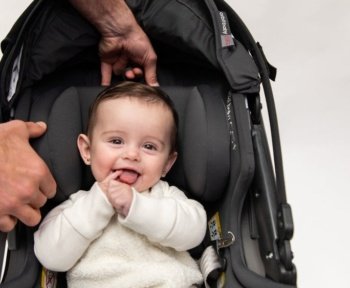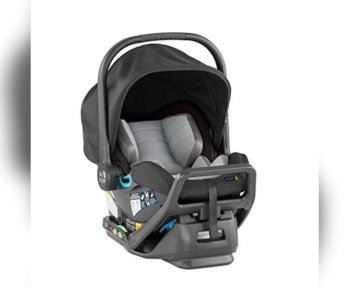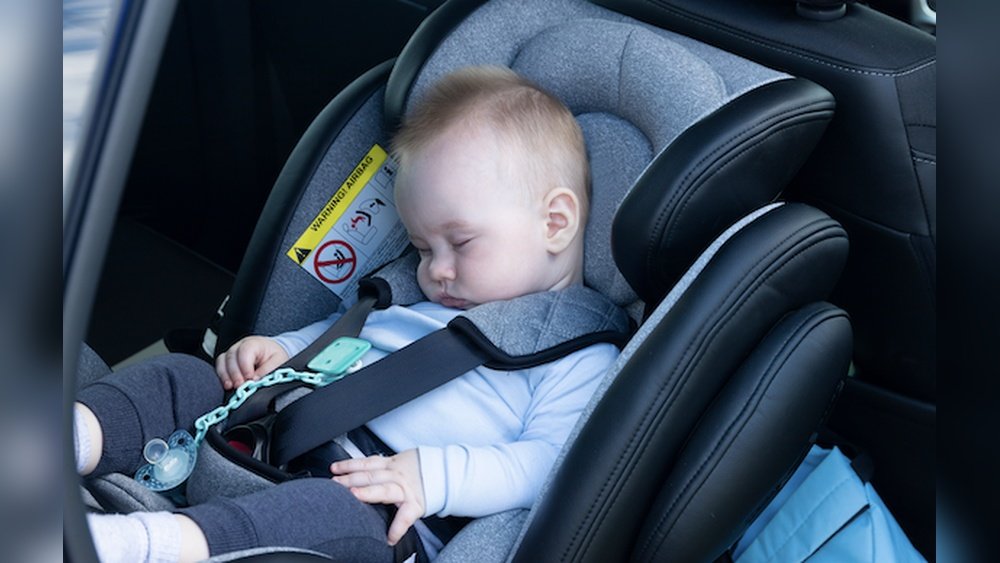
Your baby’s safety and comfort during car rides are probably your top priorities. One common concern many parents face is their baby’s head falling forward in the car seat, which can be uncomfortable and worrying.
Your baby’s safety and comfort during car rides are probably your top priorities. One common concern many parents face is their baby’s head falling forward in the car seat, which can be uncomfortable and worrying.
You might have noticed it happens especially during naps or longer trips. If you want to know how to keep your baby’s head supported and ensure every ride is safe and peaceful, you’re in the right place.
Risks Of Baby’s Head Falling Forward
Babies often fall asleep in car seats during rides. Their heads can slump forward. This position may look harmless but carries risks. Understanding these dangers helps parents keep babies safe in car seats.
Impact On Breathing
A baby’s head falling forward can block the airway. This limits airflow and makes breathing difficult. Babies have soft neck muscles that cannot support their heads well. This can cause the chin to press against the chest. The airway narrows, leading to less oxygen intake. Breathing problems can cause discomfort and distress. In severe cases, it may lead to serious health issues.
Long-term Effects
Repeated head falling forward can affect a baby’s development. Poor head posture may cause neck strain and muscle weakness. It can also impact spinal alignment over time. Babies need proper head support to grow healthy muscles. Without it, they may develop poor posture habits. Long-term discomfort and pain might result. Ensuring correct head position supports better growth and comfort.
Choosing The Right Car Seat
Choosing the right car seat helps keep your baby safe and comfortable. A well-fitted seat prevents the baby’s head from falling forward. This can protect their neck and airway during car rides. Focus on the seat’s size and features for the best fit and support.
Proper Seat Size And Fit
Select a car seat that matches your baby’s weight and height. The seat should allow your baby to sit upright without slouching. A snug fit reduces movement and keeps the head stable. Check the seat’s manual for size limits. Adjust straps to fit securely but comfortably around your baby.
Supportive Features To Look For
Choose a car seat with good head and neck support. Look for padded side wings and adjustable headrests. Some seats have inserts for newborns to help keep the head aligned. Soft yet firm padding prevents the head from tipping forward. A seat with multiple recline positions can also improve comfort and support.
Correct Installation Techniques
checking if your car seat is installed correctly techniques are key to keeping your baby safe and comfortable in the car seat. Proper setup helps prevent the baby’s head from falling forward. It also supports healthy posture and reduces risk during travel.
Every step matters. From how the seat sits in the car to how the straps hold your baby, careful attention makes a difference. Follow these simple tips to install the car seat correctly.
Positioning The Car Seat
Place the car seat in the back seat of your car. The middle seat is often the safest spot. Make sure the seat faces the rear of the vehicle for infants. This position supports the baby’s head and neck better.
Check that the car seat base is level. Use the built-in angle indicator if available. A tilted seat can cause the baby’s head to flop forward. Tighten the base firmly using the seat belt or LATCH system. The seat should not move more than one inch side to side or front to back.
Securing The Straps Properly
Adjust the harness straps to fit snugly against your baby. Place the straps at or just below your baby’s shoulders. Buckle the harness and chest clip securely.
Slide the chest clip to armpit level. This keeps the straps in the right place. Avoid loose straps that let the baby slouch forward. Tighten the straps until you cannot pinch any slack at the shoulder.
Check straps every time before driving. A well-secured baby stays upright and safe during travel. Correct strap tension prevents the baby’s head from falling forward in the seat.
Using Head Supports Safely
Using head supports safely is very important for your baby’s comfort and safety in a car seat. Head supports help keep the baby’s head from falling forward during the ride. Proper use of these supports can prevent discomfort and breathing problems. Always choose the right products and use them correctly.
Approved Head Support Products
Only use head supports made for car seats. These products meet safety rules and do not block airflow. Look for items tested by safety groups or recommended by car seat makers. Soft cushions and padded inserts designed for infants work best. They keep the baby’s head steady without changing the car seat’s fit. Always follow the instructions for installation and use.
Diy Solutions And Their Risks
Homemade head supports may seem easy and cheap. Parents often use rolled towels or blankets. These items can shift during the ride and cause danger. DIY supports might block the baby’s nose or mouth. They can also change how the car seat fits and reduce safety. Avoid using any head supports not approved for your car seat. Safety comes first for your little one’s ride.
Adjusting Baby’s Position
Adjusting your baby’s position in the car seat helps keep their head from falling forward. This keeps them safe and comfortable during rides. Proper positioning supports their neck and spine. It also helps prevent breathing problems caused by a slumped posture. Small changes in how you place your baby make a big difference.
Maintaining Upright Posture
Keep your baby’s back straight and head supported. Use the car seat’s recline feature to find the right angle. Avoid letting the seat lean too far back or forward. Add a small, soft rolled towel or blanket on the sides for extra support. Make sure the head stays level with the body. This prevents the chin from dropping onto the chest. Check the straps to keep your baby snug but not tight. A good fit holds your baby in place without discomfort.
Frequent Breaks And Movement
Stop the car often during long trips. Let your baby stretch and move outside the seat. Changing positions eases muscle strain and improves circulation. Carry your baby or let them lie flat for a few minutes. This gives their neck muscles a chance to relax. Short breaks help prevent fatigue that causes the head to fall forward. Plan trips with regular pauses to keep your baby comfortable and safe.
Monitoring Baby During Rides
Keeping an eye on your baby during car rides is very important. Babies cannot tell you when they feel uncomfortable. Watching them closely helps prevent their head from falling forward in the car seat. This also keeps them safe and happy on the road.
Signs Of Discomfort
Notice if your baby’s head drops forward suddenly. Look for frowning or crying. Squirming or fussiness can show discomfort. Sometimes babies may breathe faster or make soft noises. These signs mean your baby needs attention soon.
When To Stop And Readjust
Stop the car as soon as you see discomfort signs. Take a moment to fix the baby’s position. Make sure the straps are snug but not tight. Adjust the headrest or use a small rolled towel if needed. Restart the ride only when your baby looks calm and secure.
Expert Recommendations
Keeping a baby’s head from falling forward in a car seat is important for safety and comfort. Experts provide clear advice to help parents manage this issue. These recommendations come from trusted sources like pediatricians and car seat makers. Follow their guidance to protect your child during every ride.
Pediatrician Advice
Doctors stress proper car seat use to avoid head slumping. They say the seat should fit the baby’s size and weight. The straps must be snug but not tight. A reclined position helps keep the baby’s head back. Pediatricians also suggest frequent breaks on long trips. Watch the baby’s head and adjust the seat angle if needed. Never use extra padding not made for the car seat. These can be unsafe and cause more harm.
Car Seat Manufacturer Guidelines
Car seat makers give clear instructions for safe use. Always read the manual before installing the seat. They explain how to adjust harness straps and seat recline. Use only the accessories approved by the manufacturer. Some seats have built-in head supports designed for this issue. Follow weight and height limits exactly. Check for recalls or safety updates regularly. Proper installation is key to prevent head falling forward.
Common Questions Parents Ask
How Can I Stop My Baby’s Head From Falling Forward?
Adjust the car seat the correct infant-seat recline angle to at least 45 degrees. Use a properly fitted head support or rolled blankets to keep the head aligned. Ensure the harness straps are snug and positioned correctly to prevent slumping.
What Car Seat Features Prevent Baby’s Head From Falling?
Look for seats with adjustable recline and extra head support cushions. Seats with side-impact protection and memory foam help maintain head position. Proper harness system and padding also stabilize the baby’s head comfortably.
When Should I Adjust My Baby’s Car Seat Position?
Adjust the seat as your baby grows, usually every few months. Check that the recline angle supports the baby’s head and neck well. Regularly inspect harness fit to ensure the baby remains secure and comfortable.
Are Head Support Pillows Safe For Car Seats?
Yes, if they are specifically designed for car seats and approved by safety standards. Avoid bulky or loose pillows that can interfere with harness effectiveness or cause suffocation risks.
Fix the Recline Angle Before You Blame the Seat
Most head slump problems trace back to one thing: the seat is riding too upright for the baby’s age. Before you shop for inserts or a new seat, spend ten minutes on the angle itself.
Vehicle back seats are rarely flat. Many slope upward toward the seat back, which tips an infant seat more upright than its indicator suggests once the car is moving and loaded. Park on level ground, then read the indicator on the seat or base. If the angle is too upright and the base adjuster is already maxed out, most manuals allow a tightly rolled towel or a cut pool noodle placed in the crease of the vehicle seat under the foot of the base. Check your manual first, since a few models prohibit it.
Recheck the angle with your baby buckled in, not just with an empty seat. A baby’s weight compresses the cushion and changes the geometry. And revisit the angle every month or two. Many convertible and infant seats are designed to move more upright as head control improves, so an angle that was right for a newborn may be wrong for a five month old and the reverse.
How Head Slump Changes as Your Baby Grows
The fix that works at two weeks is often the wrong fix at six months. Matching your adjustments to your baby’s stage saves a lot of trial and error.
| Stage | Why the Head Drops | What to Adjust |
|---|---|---|
| Newborn to about 3 months | Almost no neck control, head follows gravity | Fullest allowed recline, included newborn insert, harness snug at or below shoulders |
| Roughly 3 to 6 months | Partial head control, slumps mainly when asleep | Recheck angle, raise headrest as shoulders grow, remove insert per the manual |
| 6 months and up | Outgrowing the original setup, leaning to see out | More upright allowed recline, headrest height, confirm seat still fits height limits |
Two transitions deserve extra attention. The first is removing the infant insert, which usually happens by a weight or age listed in the manual. Leaving it in too long pushes the head forward. The second is the headrest. Once the harness sits below the shoulders or ears rise above the shell padding, the support that used to cradle the head is now in the wrong place entirely.
Keep Car Seat Naps in the Car
It is tempting to carry a sleeping baby inside, set the infant carrier down, and let the nap continue. Resist that habit. The semi upright position that is safe in a properly installed seat becomes riskier once the seat leaves the car, because the carrier may sit at a different angle on the floor or a sofa and nobody is actively watching the baby’s head position.
The American Academy of Pediatrics recommends that babies sleep on a firm, flat surface, and advises against routine sleep in sitting devices like car seats, swings, and bouncers outside the vehicle. When you arrive home, move your sleeping baby to a crib or bassinet, even if it means the nap ends early.
On long drives, build the same thinking into your route. Plan a stop roughly every couple of hours so your baby gets time out of the seat with their airway fully open and their neck muscles relaxed. If your baby has slumped and you cannot reposition them from the front seat, pull over rather than reaching back while driving. A two minute stop is always the right call.

Chicco KeyFit Max Zip ClearTex Infant Car Seat
- Anti-rebound bar and 5-position headrest help maximize rear-facing time
- Two bubble level indicators and premium LATCH for an accurate base install
- Flame retardant-free ClearTex fabrics, GREENGUARD Gold certified
As an Amazon Associate, topcarseats.com earns from qualifying purchases at no extra cost to you.
Key Takeaways for Parents
Keeping your baby’s head from falling forward in the car seat is very important. Use the right car seat that fits your child well. Adjust the straps snugly but comfortably. Place the seat at the correct angle to support the neck.
Take breaks on long trips to let your baby stretch. Small changes can make a big difference in safety and comfort. Always watch your baby during the ride to keep them safe. Simple steps help your baby travel more comfortably every time.
Safety first, always.