


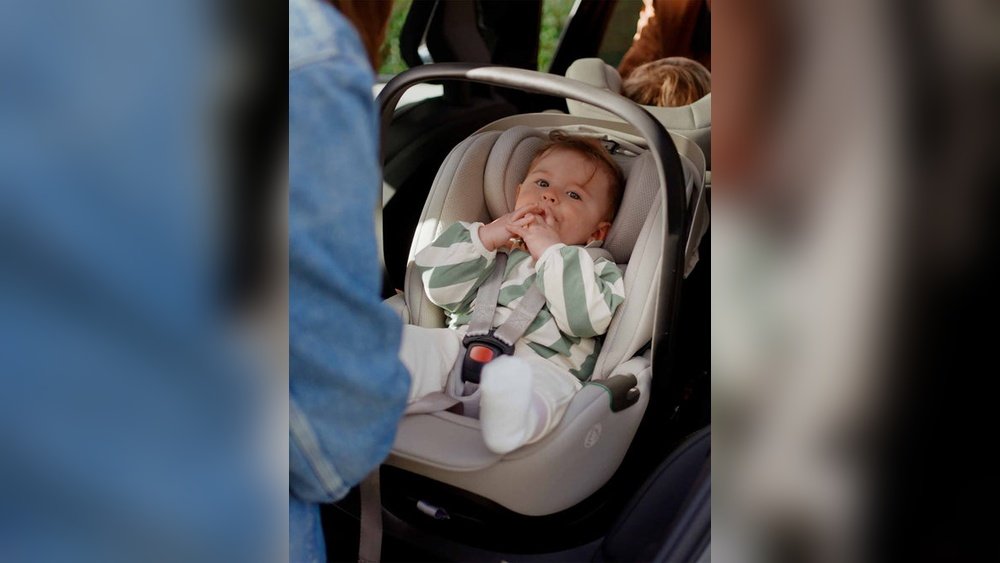
You want to keep your newborn safe, especially during car rides. But long your little one can stay in an infant car seat without risk?
You want to keep your newborn safe, especially during car rides. But long your little one can stay in an infant car seat without risk?
Sitting too long in that seat might seem harmless, but it can actually affect your baby’s health. If you’re concerned about your baby’s comfort and safety, this article will give you clear answers and practical tips.
Risks Of Prolonged Car Seat Use
Newborns spend a lot of time in their car seats during travel. While these seats keep babies safe on the road, using them too long can cause problems. Prolonged use of infant car seats may affect a baby’s health and comfort. It is important to understand the risks to keep your newborn safe and happy.
Breathing And Oxygen Concerns
Infant car seats hold babies in a semi-reclined position. This position can make it harder for newborns to breathe well. Their small airways may become partly blocked. Poor airflow can reduce oxygen levels in the blood. Babies with weak muscles or health issues face higher risks. Always watch for signs of trouble breathing.
Physical Development Issues
Newborns need movement for healthy bone and muscle growth. Sitting too long in a car seat limits this movement. Pressure on the back and head can cause flat spots. Tight straps may restrict arm and leg motion. Lack of stretching slows muscle development. Frequent breaks help avoid these physical problems.
Discomfort And Stress Signals
Babies cannot tell us when they feel uncomfortable. They show stress through crying, fussiness, or restlessness. Long car seat use can cause discomfort from pressure or heat. Babies may become irritable and hard to soothe. Parents should check their baby often and offer breaks. Comfort is key to keeping newborns calm and safe.
Recommended Time Limits
Knowing the recommended time limits for newborns in infant car seats is very important. Babies need protection, but long periods in a car seat can be unsafe. Parents must balance safety and comfort during trips.
Newborns should not stay in a car seat for too long. Experts suggest limits to avoid health risks. Understanding these limits helps keep babies safe and comfortable.
Guidelines From Pediatric Experts
Pediatricians say babies should stay in car seats for no more than two hours at a time. This limit reduces risks like breathing problems or poor circulation. They advise taking breaks on long trips to remove the baby from the seat.
Typical Safe Duration Per Trip
Most trips should last less than two hours with the baby in the seat. If the trip is longer, pause every hour to take the baby out. Short breaks help the baby stretch and breathe better.
Factors Influencing Time Limits
Several factors change how long a newborn can safely stay in a car seat. Baby’s age, health, and position in the seat matter. The seat’s design and angle also affect comfort and safety. Always watch the baby for signs of discomfort.
Choosing The Right Car Seat
Choosing the right car seat for your newborn is very important. It keeps your baby safe during every trip. Not all car seats fit newborns well. Some are better designed for their small size and delicate bodies. This section helps you find the best car seat for your little one.
Proper Fit For Newborns
The car seat must match your baby’s size and weight. Newborns need seats with extra padding and support. Look for seats labeled for infants or newborns. The straps should fit snugly but not too tight. The headrest must support the baby’s head and neck well.
Safety Features To Look For
Choose a car seat with strong safety ratings. Check for features like side-impact protection and energy-absorbing foam. A five-point harness keeps the baby secure. The seat should have clear safety labels and instructions. Avoid used seats if you do not know their history.
Installation Tips
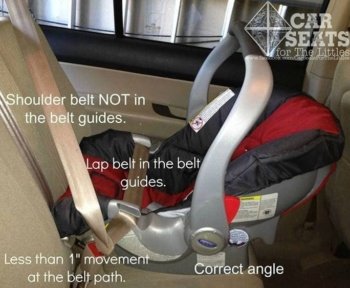
Install the car seat tightly in the vehicle. Follow the manufacturer’s instructions carefully. Use the seat belt or LATCH system to secure it. The seat should not move more than an inch side to side. Always check the angle to keep the baby’s airway open.
Safe Practices During Travel
Traveling with a newborn requires careful attention to safety. Knowing how to keep your baby safe in an infant car seat is very important. Following safe practices during travel helps prevent discomfort and risk. These tips focus on how long a newborn can stay in the car seat and how to keep them comfortable and secure.
Frequent Breaks And Monitoring
Newborns should not stay in a car seat for too long at once. Take breaks every 1 to 2 hours. Use these breaks to remove the baby from the seat and let them stretch. Check the baby’s color and breathing often. Watch for signs of distress like fussiness or sweating. Stop the car if the baby looks uncomfortable or tired.
Positioning And Support
Proper positioning helps keep your baby safe. The baby’s head should stay supported and not fall forward. Use the car seat straps correctly and snugly. Avoid bulky clothes or blankets under the straps. A rolled-up towel on each side can give extra support. Make sure the baby’s neck and back are straight and well supported.
Temperature And Clothing Considerations
Dress your newborn in light, comfortable clothes during travel. Overdressing can cause overheating inside the car seat. Use thin layers that you can add or remove easily. Keep the car’s temperature moderate and never leave the baby unattended. Avoid heavy blankets or covers that block airflow around the baby.
When To Transition Out Of Infant Seats
Knowing when to move your baby out of an infant car seat is important for safety. Infant seats are designed for newborns and small babies. They protect your child while traveling in a car. But babies grow fast. They may outgrow the seat before long. Using the seat too long can be unsafe. Parents should watch for signs that show it’s time to switch seats. This helps keep your baby safe on every trip.
Signs Baby Outgrows The Seat
Check the weight and height limits on the seat label. Most infant seats fit babies up to 22 to 35 pounds. Height limits vary but usually end when the baby’s head is near the top of the seat. If your baby’s head is above the seat or shoulders go past the harness slots, it is time to change seats. Also, if the baby looks cramped or uncomfortable, the seat is too small. Never keep your baby in the seat if they have outgrown these limits.
Next Steps For Car Safety
After outgrowing the infant seat, move your baby to a all convertible car seat guides. Convertible seats fit babies and toddlers. They provide more space and better safety features. These seats can be used rear-facing longer, which is safer. Always follow the car seat manufacturer’s instructions. Make sure the seat fits your car properly. Use the correct harness position and tighten the straps securely. Check that the seat does not move more than one inch side-to-side or front-to-back.
Consulting Health Professionals
Talk to your pediatrician about car seat safety. They can give advice based on your baby’s growth and health. Some babies may have special needs or conditions. Doctors can recommend the best type of car seat. They also remind parents about safe travel habits. Regular check-ups are a good time to discuss car seat use. This ensures your baby stays protected on every journey.
Additional Tips For New Parents
New parents face many challenges, especially with newborn safety. Knowing how long a baby can safely stay in an infant car seat is important. Along with time limits, some extra tips help keep your baby safe and comfortable. These tips guide parents through daily care and unexpected moments.
Monitoring Baby’s Comfort
Check your baby often while in the car seat. Look for signs of discomfort like fussiness or sweating. Adjust straps to keep the baby snug but not tight. Ensure the baby’s head stays supported and does not slump forward. Take breaks during long rides to let your baby stretch and move.
Emergency Preparedness
Keep important items within reach, such as a phone and emergency contacts. Know how to quickly remove your baby from the car seat if needed. Practice this at home to stay calm during real emergencies. Always have a first aid kit in the car for unexpected situations.
Balancing Safety And Convenience
Use the car seat only for travel and short rests. Avoid letting your baby sleep in the seat for long periods outside the car. Carry a portable bassinet or safe sleeping space for home or outings. This balance helps protect your baby’s health and your peace of mind.
Common Questions Parents Ask
How Long Can A Newborn Safely Stay In A Car Seat?
Newborns should not stay in a car seat for more than 2 hours continuously. Prolonged sitting may cause breathing difficulties and discomfort.
Why Is Limiting Car Seat Time Important For Newborns?
Limiting car seat time helps prevent positional asphyxia and reduces pressure on the baby’s developing spine and head.
What Are Signs A Newborn Is Uncomfortable In A Car Seat?
Watch for fussiness, difficulty breathing, or a slumped posture. These signs indicate your baby needs a break.
Can Prolonged Car Seat Use Affect A Newborn’s Health?
Yes, extended use can lead to breathing problems and flat head syndrome. Regular breaks are essential for safety.
Why Stroller and Carrier Time Counts Too
Here is the part many new parents miss. The two hour guideline is not just about driving. It applies to total time spent in the seat, no matter where that seat happens to be.
Travel systems make it tempting to click the infant seat onto a stroller frame and keep moving. The car ride was 40 minutes, then the seat rides on the stroller through a store for another hour, then back to the car. Your baby never left the semi-reclined position. From your newborn’s perspective, that was one long stretch in the seat.
When you arrive somewhere and plan to stay a while, move your baby out of the seat. A soft structured carrier or wrap keeps your hands free and lets your baby’s airway stay in a healthier upright position against your chest. Some strollers also accept a flat bassinet attachment, which lets a newborn lie flat instead of staying curled in the seat.
- Count the whole outing. Add up car time plus stroller time before deciding whether your baby needs a break.
- Keep a carrier in the trunk. If it lives in the car, you will actually use it when errands run long.
- Save the click-on stroller trick for short stops. A quick pharmacy run is fine. A two hour mall trip is not.
A Gentle Transfer Routine for Sleeping Babies
Almost every newborn falls asleep in the car. The hard moment comes when you get home and have to choose between waking the baby or leaving them buckled in the seat on the kitchen floor. Move the baby. A flat, firm sleep surface is always the safer place for unsupervised newborn sleep, and a consistent transfer routine makes the move less disruptive.
Try this sequence when you arrive home with a sleeping newborn.
- Park and pause. Turn off the engine and sit for a minute. Babies often stir when motion stops, then settle again. Let that cycle finish before you open the door.
- Loosen quietly first. Unclip the chest clip and buckle while the baby is still in the seat, then wait a few breaths before lifting.
- Lift with full head support. Slide one hand behind the head and neck and the other under the bottom, and bring the baby straight to your chest.
- Lay down feet first. Lower your baby into the bassinet or crib bottom first, then ease the head down last. Keep your hands in place for a few seconds before pulling away.
- Accept some wake-ups. If your baby wakes during the transfer, that is a fair trade. A briefly fussy baby on a flat surface is in a better position than a soundly sleeping baby left in a bucket seat.
Planning Your Day Around Seat Time
The easiest way to stay inside safe limits is to plan trips around them rather than watching the clock mid-drive. In the newborn months, think of car time as a budget you spend across the whole day.
Batch your errands into one loop with a real out-of-seat break in the middle, rather than three separate short trips stacked back to back. Feed your baby right before leaving so the drive lines up with a content, sleepy stretch. If you can choose, schedule appointments at the start of the day when traffic is lighter and your baby is freshly rested.
It also helps to have a backup plan for delays. A traffic jam with a screaming newborn pushes many parents to reach back or rush. Instead, exit when it is safe, park, take the baby out for a feed and a cuddle, and start again. Ten minutes of reset beats thirty minutes of stressed driving, for both of you.

Chicco KeyFit Max Zip ClearTex Infant Car Seat
- Anti-rebound bar and 5-position headrest help maximize rear-facing time
- Two bubble level indicators and premium LATCH for an accurate base install
- Flame retardant-free ClearTex fabrics, GREENGUARD Gold certified
As an Amazon Associate, topcarseats.com earns from qualifying purchases at no extra cost to you.
Key Takeaways for Parents
Newborns should not stay in an infant car seat for too long. Experts suggest a maximum of two hours at a time. This helps avoid breathing problems and discomfort. Always take breaks if you travel for a long time. Use the car seat only for travel, not for sleeping or resting at home.
Safety comes first to protect your baby’s health. Keep your little one safe and comfortable on every trip. Remember, short rides and frequent stops make a big difference.

4 Comments
Comments are closed.