


Keeping your baby warm and safe in a car seat during winter can be tricky. You want to protect your little one from the cold, but bulky clothes and blankets can make straps less secure.
Keeping your baby warm and safe in a car seat during winter can be tricky. You want to protect your little one from the cold, but bulky clothes and blankets can make straps less secure.
If you’re unsure how to dress your baby for winter car rides, you’re not alone. In this guide, you’ll discover simple, practical tips to keep your baby cozy without risking safety. Read on to learn exactly what to do before you buckle up for your next winter trip.
Car Seat Safety Basics
Keeping your baby safe in a car seat during winter is very important. Cold weather means extra layers and blankets. But these can affect how well the car seat protects your baby. Understanding basic car seat safety helps you dress your baby right. It also keeps your child warm without risk.
Proper Harness Fit
The car seat harness must fit snugly against your baby. Thick coats or bulky clothes can make the harness loose. This reduces protection in an accident. Always place the harness straps over thin layers. Tighten the straps until you can only fit one finger between the strap and your baby’s chest.
Avoiding Bulky Clothing
Bulky clothing adds extra space between your baby and the harness. It can cause the harness to fail in a crash. Dress your baby in thin, warm layers instead. Use a warm blanket over the harness after securing your baby. This keeps your child warm and safe at the same time.
Safe Use Of Car Seat Covers
Car seat covers can protect your baby from cold wind. Only use covers made for car seats that do not interfere with the harness. Avoid thick, padded covers that can loosen the harness fit. Always check the car seat manual for approved covers. Never place a heavy blanket or cover behind the baby.
Choosing The Right Winter Clothing
Choosing the right winter clothing for your baby in a car seat is very important. The goal is to keep your baby warm without making them too hot or bulky. Car seat straps must fit tightly to protect your baby. Thick coats can stop straps from fitting correctly. The right clothes make travel safe and cozy during cold months.
Focus on clothes that provide warmth and comfort. Pick items that are easy to put on and take off. This helps you adjust your baby’s clothes quickly. Keep your baby warm with smart clothing choices that work well with car seats.
Layering For Warmth
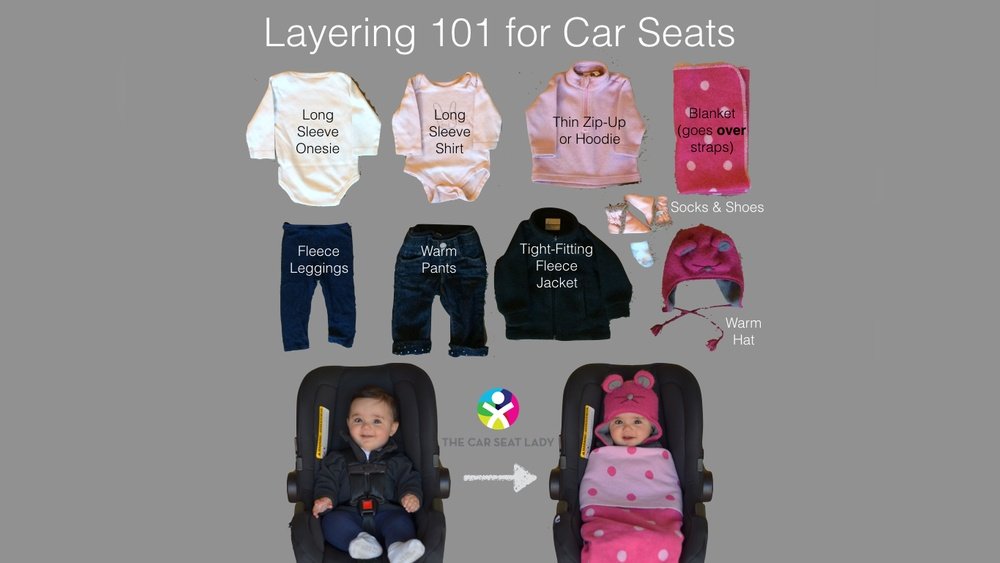
Layering is the best way to keep your baby warm. Start with a soft, close-fitting layer like a onesie. Add a light sweater or fleece on top. Layers trap heat and can be removed if your baby feels too warm. Avoid bulky layers that make the straps loose.
Selecting Breathable Fabrics
Choose fabrics that let air pass through. Cotton and wool blends work well. These materials keep your baby warm but stop overheating. Avoid plastic or heavy synthetic fabrics that trap sweat. Breathable fabrics keep your baby dry and comfortable.
Using Snug Hats And Mittens
Cover your baby’s head and hands to keep heat in. Pick hats that fit snugly but do not cover the face. Mittens should stay on but not be too tight. Soft, warm materials like fleece or wool work best. Hats and mittens protect from cold air and help keep your baby cozy.
Keeping Baby Cozy Without Risk
Keeping your baby warm in the car seat during winter is important. At the same time, safety should never be ignored. Dressing your baby properly helps keep them cozy without adding risks.
Thick coats or bulky clothes can interfere with the car seat harness. This can be dangerous in case of a sudden stop. There are safe ways to keep your baby warm while using the car seat.
Blanket Placement Tips
Place blankets over the harness, not under it. This keeps the harness snug against your baby’s body. Tuck the blanket around the baby after securing the straps. Avoid thick blankets that can slip or cover the face. Use lightweight, breathable blankets for extra warmth.
Using Sleep Sacks Safely
Sleep sacks are good alternatives to bulky coats. They provide warmth without thick layers under the harness. Choose sleep sacks designed for car seat use. Make sure the harness fits tightly over the sack. Avoid any extra padding inside the sack for safety.
Avoiding Overheating
Check your baby often for signs of overheating. Red cheeks, sweating, or rapid breathing are warning signs. Dress your baby in thin layers that can be added or removed. Keep the car temperature comfortable, not too hot. Overheating can be more dangerous than being slightly cold.
Preparing For Different Weather Conditions
Preparing your baby for different winter weather is key to their comfort and safety in a car seat. Weather can change quickly, so dressing your baby properly helps keep them warm without overheating. Layering clothes allows easy adjustments during the trip.
Dressing For Snow And Ice
Snow and ice bring very cold temperatures. Start with a thin, snug base layer made from cotton or wool. Add a warm sweater or fleece on top. Use a cozy, insulated bunting or snowsuit that fits well in the car seat. Avoid bulky coats that can loosen the harness. Cover your baby’s head with a soft hat and protect their hands with mittens. Keep feet warm with thick socks and booties.
Handling Wind And Rain
Wind and rain can chill your baby quickly. Dress your baby in water-resistant outerwear to block wind and moisture. Use a lightweight rain cover for the car seat. Make sure the cover has ventilation to avoid stuffiness. Layer clothes underneath with breathable fabrics. Protect your baby’s head with a hood or hat that stays on during movement. Check often for wet or damp clothes and change if needed.
Adjusting Layers On The Go
Weather can change during travel. Pack extra layers in your diaper bag. Add or remove sweaters and blankets as needed. Always check your baby’s neck or back for warmth, not just hands or feet. Use thin layers to avoid overheating. Keep a small blanket handy to tuck around your baby without covering their face. Stay alert to signs of discomfort or cold.
Emergency And Travel Tips
Traveling with a baby in winter needs extra care. Cold weather and tight car seats require smart dressing choices. Emergencies or quick stops need fast action to keep baby safe and warm. Here are some practical tips to help you manage your baby’s car seat clothing during winter trips.
Quick Removal Of Layers
Dress your baby in thin, warm layers. This makes removing clothes easy if the car heats up. Avoid bulky coats inside the car seat. Take off outer layers before placing baby in the seat. In an emergency, quick removal prevents overheating or discomfort. Keep layers simple for fast changes.
Monitoring Baby’s Temperature
Check your baby’s neck or chest often. These areas show if baby feels too hot or cold. Use your hand, not the baby’s hands or feet. Babies can have cold hands but still be warm. Watch for signs like sweating or shivering. Adjust layers quickly to keep baby comfortable.
Packing Extra Clothing Essentials
Always carry extra clothes in the diaper bag. Include hats, mittens, and socks for cold weather. Pack a warm blanket for stops or emergencies. Have spare layers ready for quick changes. This helps handle unexpected weather or spills. Being prepared keeps your baby cozy and safe.
Common Questions Parents Ask
How To Safely Dress A Baby In A Car Seat During Winter?
Dress your baby in thin layers to avoid bulkiness. Use a warm hat and mittens. Avoid bulky coats or snowsuits that affect harness fit. Place a blanket over the harness for extra warmth after securing your baby.
Can Bulky Winter Clothes Affect Car Seat Safety?
Yes, bulky clothes can compress in a crash, causing the harness to be loose. This reduces restraint effectiveness and increases injury risk. Always use thin layers and secure the harness snugly against your baby’s body.
Is It Safe To Use A Car Seat Cover In Winter?
Car seat covers can be safe if they do not interfere with harness straps. Choose covers approved for car seat use. Never place extra padding between baby and harness, as it can reduce safety.
What Materials Are Best For Baby Winter Clothing In Car Seats?
Soft, breathable, and warm materials like cotton or fleece are ideal. They keep your baby comfortable and allow the harness to fit properly. Avoid bulky or stiff fabrics that can affect safety.
The Coat Test: How to Know if an Outfit Is Too Bulky
Parents often ask how thick is too thick. Instead of guessing, run a quick test at home before winter sets in. It takes five minutes and removes all the doubt.
Here is how it works. Dress your baby in the winter outfit you are unsure about, buckle them into the car seat, and tighten the harness until it passes the pinch check at the shoulder. Then unbuckle, take the outfit off, and buckle your baby back in without loosening or tightening anything.
- If the harness is still snug. The outfit is thin enough to wear in the seat. You are good to go.
- If you can pinch slack at the shoulder. That extra room is what the outfit would give up in a crash. Save it for outside the car and dress thinner underneath.
- Repeat each season. A fleece that passed in October may sit differently once your baby grows, so retest when you size up clothing.
This test settles arguments with well-meaning relatives too. Showing the slack with your fingers is far more convincing than quoting a rule.
A Two Minute Cold Morning Routine
Most winter dressing mistakes happen when parents are rushed and freezing. Building a short routine keeps you consistent even on the most chaotic mornings.
Start the car and let it begin warming while you finish getting ready inside. Carry your baby out in their coat or wrapped in a blanket, then remove the coat right at the car door before buckling. Tighten the harness, do the pinch check, and only then add a blanket over the straps.
Keep a dedicated car blanket in the vehicle so you never have to remember one. Stash a spare hat and mittens in the glove box or seat pocket for the days something gets left behind. Once this becomes habit, the whole sequence takes less time than scraping the windshield.
Quick Reference: What to Put On at Different Temperatures
Every baby runs a little warmer or cooler, so treat this as a starting point and check the back of the neck after a few minutes of driving. The car warms up fast, and what felt right in the driveway can be too much on the highway.
| Outside Temperature | In the Car Seat | Add on Top of Straps |
|---|---|---|
| Cool, above freezing | Onesie plus a light long sleeve layer and pants | Light blanket if the car is still cold |
| Around freezing | Base layer plus a thin fleece, socks, snug hat | Warm blanket tucked at the sides |
| Well below freezing | Base layer, thin fleece, footed pants, hat, mittens | Warm blanket, plus an approved shower-cap style cover for the carrier |
Notice that the layers against your baby barely change. The warmth comes from what goes over the buckled harness, which is the part you can always remove once the heater catches up. If your baby arrives at your destination sweaty, drop one top layer on the next trip and reassess.

Chicco KeyFit Max Zip ClearTex Infant Car Seat
- Anti-rebound bar and 5-position headrest help maximize rear-facing time
- Two bubble level indicators and premium LATCH for an accurate base install
- Flame retardant-free ClearTex fabrics, GREENGUARD Gold certified
As an Amazon Associate, topcarseats.com earns from qualifying purchases at no extra cost to you.
Key Takeaways for Parents
Dressing your baby safely in a car seat during winter keeps them warm and secure. Choose thin layers and avoid bulky coats under the harness. Use blankets or car seat covers over the straps for extra warmth. Always check the fit before driving.
Keep your baby comfortable without risking safety. Small steps make winter travel easier and safer for your little one. Stay prepared, stay safe, and enjoy the ride together.
2 Comments
Comments are closed.